Muutke küpsiste eelistusi

E-raamat: Militarization of Turkish Foreign Policy?: Revisiting the Contours of Hard Power

Edited by (Qatar University)
  • Formaat - PDF+DRM
  • Hind: 59,79 €*
  • * hind on lõplik, st. muud allahindlused enam ei rakendu
  • See e-raamat ei ole veel ilmunud. Saate seda tellida alles alates: 08-Jun-2026
  • Lisa soovinimekirja
  • See e-raamat on mõeldud ainult isiklikuks kasutamiseks. E-raamatuid ei saa tagastada.

DRM piirangud

  • Kopeerimine (copy/paste):

    ei ole lubatud

  • Printimine:

    ei ole lubatud

  • Kasutamine:

    Digitaalõiguste kaitse (DRM)
    Kirjastus on väljastanud selle e-raamatu krüpteeritud kujul, mis tähendab, et selle lugemiseks peate installeerima spetsiaalse tarkvara. Samuti peate looma endale  Adobe ID Rohkem infot siin. E-raamatut saab lugeda 1 kasutaja ning alla laadida kuni 6'de seadmesse (kõik autoriseeritud sama Adobe ID-ga).

    Vajalik tarkvara
    Mobiilsetes seadmetes (telefon või tahvelarvuti) lugemiseks peate installeerima selle tasuta rakenduse: PocketBook Reader (iOS / Android)

    PC või Mac seadmes lugemiseks peate installima Adobe Digital Editionsi (Seeon tasuta rakendus spetsiaalselt e-raamatute lugemiseks. Seda ei tohi segamini ajada Adober Reader'iga, mis tõenäoliselt on juba teie arvutisse installeeritud )

    Seda e-raamatut ei saa lugeda Amazon Kindle's. 
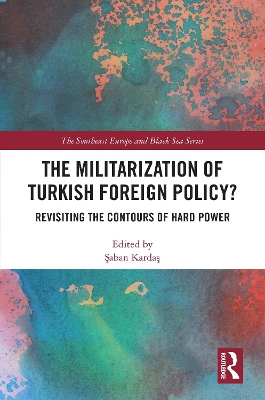
This book critically examines Turkey’s shift towards a more coercive and hard power-driven foreign policy over the past decade. It explores how Ankara’s assertive orientation has reshaped its regional policies, with militarized international disputes and the pursuit of strategic autonomy becoming defining features.


This book critically examines Turkey’s shift towards a more coercive and hard power-driven foreign policy over the past decade. It explores how Ankara’s assertive orientation has reshaped its regional policies, with militarized international disputes and the pursuit of strategic autonomy becoming defining features. The contributors delve into the theoretical underpinnings of this transformation while offering empirically grounded analyses of its practical manifestations. Key areas of focus include the evolution of Turkey’s defense industry, the international engagements of the Turkish Armed Forces (TSK), the transformation of the National Intelligence Organization (MIT), changes within the Ministry of Foreign Affairs, counter-terrorism strategies, and energy policies.

This volume is ideal for scholars, researchers, and students in the fields of international relations, political science, Middle Eastern studies, and security studies. It will also appeal to policymakers and practitioners interested in understanding Turkey’s evolving foreign policy and its implications for regional and global dynamics.

The chapters in this book were originally published as a special issue in Southeast European and Black Sea Studies.

Introduction: Debating the hard power turn in Turkish foreign policy
1.
Scope, drivers and manifestations of the realist turn in Turkish foreign
policy: a case of delayed strategic adjustment
2. Evaluating the advances and
challenges in Turkeys defence industry: a comparative analysis
3. Turkeys
military cooperation network through bilateral relations: the transition from
military support recipient to provider
4. The nexus between intelligence and
foreign policy in the Turkish context: strategic implications of the MITs
transformation
5. Counter-terrorism in the age of hard power: reassessing
Turkeys policy against the PKK
6. From diplomacy to hard power?
Restructuring, weakening, and sidelining of the Turkish Ministry of Foreign
Affairs (20092023)
7. Turkeys energy diplomacy and instrumentalization of
hard power
aban Karda is a Research Professor and Program Coordinator at the Gulf Studies Center at the College of Arts and Sciences at Qatar University, Qatar.