Muutke küpsiste eelistusi
  • Formaat - PDF+DRM
  • Hind: 53,29 €*
  • * hind on lõplik, st. muud allahindlused enam ei rakendu
  • Lisa ostukorvi
  • Lisa soovinimekirja
  • See e-raamat on mõeldud ainult isiklikuks kasutamiseks. E-raamatuid ei saa tagastada.

DRM piirangud

  • Kopeerimine (copy/paste):

    ei ole lubatud

  • Printimine:

    ei ole lubatud

  • Kasutamine:

    Digitaalõiguste kaitse (DRM)
    Kirjastus on väljastanud selle e-raamatu krüpteeritud kujul, mis tähendab, et selle lugemiseks peate installeerima spetsiaalse tarkvara. Samuti peate looma endale  Adobe ID Rohkem infot siin. E-raamatut saab lugeda 1 kasutaja ning alla laadida kuni 6'de seadmesse (kõik autoriseeritud sama Adobe ID-ga).

    Vajalik tarkvara
    Mobiilsetes seadmetes (telefon või tahvelarvuti) lugemiseks peate installeerima selle tasuta rakenduse: PocketBook Reader (iOS / Android)

    PC või Mac seadmes lugemiseks peate installima Adobe Digital Editionsi (Seeon tasuta rakendus spetsiaalselt e-raamatute lugemiseks. Seda ei tohi segamini ajada Adober Reader'iga, mis tõenäoliselt on juba teie arvutisse installeeritud )

    Seda e-raamatut ei saa lugeda Amazon Kindle's. 

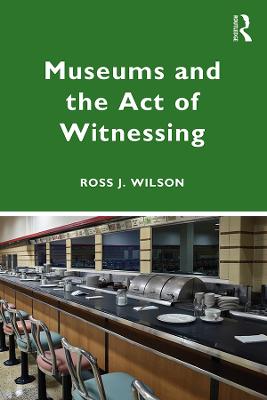
Museums and the Act of Witnessing examines how representations of traumatic histories and the legacies of the twentieth century in museums and heritage sites across the world shape political, social and cultural identities.

Drawing on an interdisciplinary analysis of a variety of museum exhibitions around the globe, the book demonstrates how the narrative of ‘witnessing’ has shaped representation of war, genocide, repression and violence. Revealing that this form of presentation is inherently Western in its origins and nature, Wilson goes on to argue that witnessing the past is to colonise the future, as we project a certain view of the events of the past onto the present. Detailing the character, content and meanings of representation that focus on the traumatic events of the twentieth century, the book demonstrates the way in which visitors are cast as ‘witnesses’ and questions what the true purpose of witnessing really is.

Museums and the Act of Witnessing

draws attention to the fact that we have inherited a distinct, and often limited, mode of seeing the past and considers how we can more effectively engage with the past in the present. The book will be of interest to academics and students engaged in the study of museums, history, sociology, conflict, politics and memory.

List of figures
vi
Acknowledgements vii
1 Introduction
1(34)
2 Eyewitness: Being present and seeing things for ourselves
35(35)
3 Expert witnesses: Understanding the past
70(39)
4 Character witnesses and testimonies
109(31)
5 Lay witnesses and the radical witness
140(34)
6 Conclusion
174(9)
Index 183
Ross J. Wilson is Director of Liberal Arts at the University of Nottingham in the UK.