Muutke küpsiste eelistusi

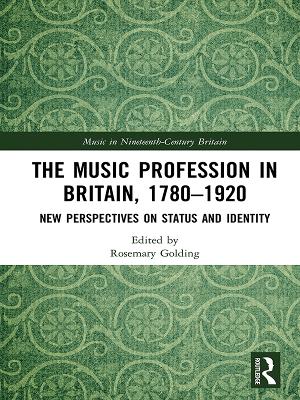
E-raamat: Music Profession in Britain, 1780-1920: New Perspectives on Status and Identity

  • Formaat - EPUB+DRM
  • Hind: 59,79 €*
  • * hind on lõplik, st. muud allahindlused enam ei rakendu
  • Lisa ostukorvi
  • Lisa soovinimekirja
  • See e-raamat on mõeldud ainult isiklikuks kasutamiseks. E-raamatuid ei saa tagastada.

DRM piirangud

  • Kopeerimine (copy/paste):

    ei ole lubatud

  • Printimine:

    ei ole lubatud

  • Kasutamine:

    Digitaalõiguste kaitse (DRM)
    Kirjastus on väljastanud selle e-raamatu krüpteeritud kujul, mis tähendab, et selle lugemiseks peate installeerima spetsiaalse tarkvara. Samuti peate looma endale  Adobe ID Rohkem infot siin. E-raamatut saab lugeda 1 kasutaja ning alla laadida kuni 6'de seadmesse (kõik autoriseeritud sama Adobe ID-ga).

    Vajalik tarkvara
    Mobiilsetes seadmetes (telefon või tahvelarvuti) lugemiseks peate installeerima selle tasuta rakenduse: PocketBook Reader (iOS / Android)

    PC või Mac seadmes lugemiseks peate installima Adobe Digital Editionsi (Seeon tasuta rakendus spetsiaalselt e-raamatute lugemiseks. Seda ei tohi segamini ajada Adober Reader'iga, mis tõenäoliselt on juba teie arvutisse installeeritud )

    Seda e-raamatut ei saa lugeda Amazon Kindle's. 

Professionalisation was a key feature of the changing nature of work and society in the nineteenth century, with formal accreditation, registration and organisation becoming increasingly common. Trades and occupations sought protection and improved status via alignment with the professions: an attempt to impose order and standards amid rapid social change, urbanisation and technological development. The structures and expectations governing the music profession were no exception, and were central to changing perceptions of musicians and music itself during the long nineteenth century. The central themes of status and identity run throughout this book, charting ways in which the music profession engaged with its place in society. Contributors investigate the ways in which musicians viewed their own identities, public perceptions of the working musician, the statuses of different sectors of the profession and attempts to manipulate both status and identity. Ten chapters examine a range of sectors of the music profession, from publishers and performers to teachers and military musicians, and overall themes include class, gender and formal accreditation. The chapters demonstrate the wide range of sectors within the music profession, the different ways in which these took on status and identity, and the unique position of professional musicians both to adopt and to challenge social norms.

List of tables
vii
Preface viii
Notes on contributors ix
Abbreviations xi
Introduction 1(11)
Rosemary Golding
1 The finances, estates and social status of musicians in the late-eighteenth century
12(20)
Rebecca Gribble
2 Composers and publishers in Clementi's London
32(21)
David Rowland
3 Professionalisation and the female musician in early-Victorian Britain: the campaign for Eliza Salmon
53(19)
David Kennerley
4 The British Army and the music profession: the impact of regimental bands on the status and identity of professional musicians
72(18)
Helen Barlow
5 Church musicians in nineteenth-century Durham
90(20)
Martin V. Clarke
6 The rise of the professional music critic in nineteenth-century England
110(18)
Paul Watt
7 Music teaching in the late-nineteenth century: a professional occupation?
128(21)
Rosemary Golding
8 Women musicians and professionalism in the late-nineteenth and early-twentieth centuries
149(21)
Sophie Fuller
9 Musicians, singers and other artistes as workers in the British music hall, 1900-1918
170(19)
John Mullen
10 Building a concert career in Edwardian London
189(31)
Simon McVeigh
Select bibliography 220(3)
Index 223
Rosemary Golding is a staff tutor and senior lecturer in Music at the Open University. She has published on the history of music as an academic subject in nineteenth-century Britain as well as institutional and professional identities in music. Current research interests also include the relationship between music and health in nineteenth-century Britain, with a particular focus on the uses of music in lunatic asylums.