Muutke küpsiste eelistusi

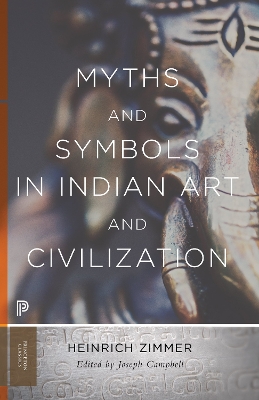
E-raamat: Myths and Symbols in Indian Art and Civilization

  • Formaat: PDF+DRM
  • Sari: Bollingen Series
  • Ilmumisaeg: 03-Apr-2018
  • Kirjastus: Princeton University Press
  • Keel: eng
  • ISBN-13: 9780691212012
Teised raamatud teemal:
  • Formaat - PDF+DRM
  • Hind: 18,77 €*
  • * hind on lõplik, st. muud allahindlused enam ei rakendu
  • Lisa ostukorvi
  • Lisa soovinimekirja
  • See e-raamat on mõeldud ainult isiklikuks kasutamiseks. E-raamatuid ei saa tagastada.
  • Formaat: PDF+DRM
  • Sari: Bollingen Series
  • Ilmumisaeg: 03-Apr-2018
  • Kirjastus: Princeton University Press
  • Keel: eng
  • ISBN-13: 9780691212012
Teised raamatud teemal:

DRM piirangud

  • Kopeerimine (copy/paste):

    ei ole lubatud

  • Printimine:

    ei ole lubatud

  • Kasutamine:

    Digitaalõiguste kaitse (DRM)
    Kirjastus on väljastanud selle e-raamatu krüpteeritud kujul, mis tähendab, et selle lugemiseks peate installeerima spetsiaalse tarkvara. Samuti peate looma endale  Adobe ID Rohkem infot siin. E-raamatut saab lugeda 1 kasutaja ning alla laadida kuni 6'de seadmesse (kõik autoriseeritud sama Adobe ID-ga).

    Vajalik tarkvara
    Mobiilsetes seadmetes (telefon või tahvelarvuti) lugemiseks peate installeerima selle tasuta rakenduse: PocketBook Reader (iOS / Android)

    PC või Mac seadmes lugemiseks peate installima Adobe Digital Editionsi (Seeon tasuta rakendus spetsiaalselt e-raamatute lugemiseks. Seda ei tohi segamini ajada Adober Reader'iga, mis tõenäoliselt on juba teie arvutisse installeeritud )

    Seda e-raamatut ei saa lugeda Amazon Kindle's. 

A landmark work that demystifies the rich tradition of Indian art, Myths and Symbols in Indian Art and Civilization analyzes key motifs found in legend, myth, and folklore taken directly from the Sanskrit. It provides a comprehensive introduction to visual thinking and picture reading in Indian art and thought. Ultimately, the book shows that profound Hindu and Buddhist intuitions on the riddles of life and death are universally recognizable.

Arvustused

"Zimmer moves among [ the myths of India] unhurriedly, with a respect that amounts to devotion. Gradually his comments bring to light the universal meanings beneath the archaic exterior."--New York Times

List of Plates
ix
I Eternity and Time
1 The Parade of Ants
3(8)
2 The Wheel of Rebirth
11(8)
3 The Wisdom of Life
19(4)
II The Mythology of Vishnu
1 Vishnu's Maya
23(4)
2 The Waters of Existence
27(8)
3 The Waters of Non-Existence
35(18)
4 Maya in Indian Art
53(6)
III The Guardians of Life
1 The Serpent, Supporter of Vishnu and the Buddha
59(10)
2 Divinities and their Vehicles
69(3)
3 The Serpent and the Bird
72(5)
4 Vishnu as Conqueror of the Serpent
77(13)
5 The Lotus
90(12)
6 The Elephant
102(7)
7 The Sacred Rivers
109(14)
IV The Cosmic Delight of Shiva
1 The "Fundamental Form" and the "Playful Manifestations"
123(7)
2 The Phenomenon of Expanding Form
130(7)
3 Shiva-Shakti
137(11)
4 The Great Lord
148(3)
5 The Dance of Shiva
151(24)
6 The Face of Glory
175(10)
7 The Destroyer of the Three Towns
185(4)
V The Goddess
1 The Origin of The Goddess
189(8)
2 The Island of Jewels
197(20)
VI Conclusion
217(6)
Index 223(26)
Plates 249
Heinrich Zimmer (1890-1943) was a historian of South Asian art. He was the author of Philosophies of India. Joseph Campbell (1904-1987) was the author of many books on comparative mythology, including The Hero with a Thousand Faces and The Masks of God.