Muutke küpsiste eelistusi

E-raamat: Neurolaw and Criminal Jurisprudence in India

  • Formaat: PDF+DRM
  • Ilmumisaeg: 24-Dec-2024
  • Kirjastus: Routledge
  • Keel: eng
  • ISBN-13: 9781040329245
  • Formaat - PDF+DRM
  • Hind: 31,19 €*
  • * hind on lõplik, st. muud allahindlused enam ei rakendu
  • Lisa ostukorvi
  • Lisa soovinimekirja
  • See e-raamat on mõeldud ainult isiklikuks kasutamiseks. E-raamatuid ei saa tagastada.
  • Formaat: PDF+DRM
  • Ilmumisaeg: 24-Dec-2024
  • Kirjastus: Routledge
  • Keel: eng
  • ISBN-13: 9781040329245

DRM piirangud

  • Kopeerimine (copy/paste):

    ei ole lubatud

  • Printimine:

    ei ole lubatud

  • Kasutamine:

    Digitaalõiguste kaitse (DRM)
    Kirjastus on väljastanud selle e-raamatu krüpteeritud kujul, mis tähendab, et selle lugemiseks peate installeerima spetsiaalse tarkvara. Samuti peate looma endale  Adobe ID Rohkem infot siin. E-raamatut saab lugeda 1 kasutaja ning alla laadida kuni 6'de seadmesse (kõik autoriseeritud sama Adobe ID-ga).

    Vajalik tarkvara
    Mobiilsetes seadmetes (telefon või tahvelarvuti) lugemiseks peate installeerima selle tasuta rakenduse: PocketBook Reader (iOS / Android)

    PC või Mac seadmes lugemiseks peate installima Adobe Digital Editionsi (Seeon tasuta rakendus spetsiaalselt e-raamatute lugemiseks. Seda ei tohi segamini ajada Adober Reader'iga, mis tõenäoliselt on juba teie arvutisse installeeritud )

    Seda e-raamatut ei saa lugeda Amazon Kindle's. 

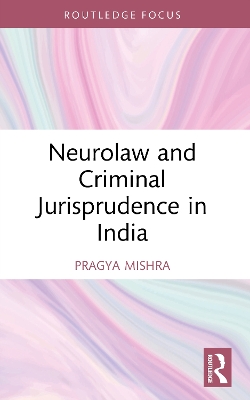
This work explores the transformative potential of neuroscience in reshaping India's criminal justice system. It explores the complex terrain of neurolaw, examining its implications for criminal responsibility, rehabilitation, and the foundations of legal thought. It proposes innovative approaches to longstanding legal and ethical dilemmas.


This work explores the transformative potential of neuroscience in reshaping India's criminal justice system. It deftly navigates the complex terrain of neurolaw, examining its implications for criminal responsibility, rehabilitation, and the very foundations of legal thought. Drawing on cutting-edge neuroscientific research and India's rich philosophical traditions, the work proposes innovative approaches to longstanding legal and ethical dilemmas. It covers a wide range of topics with depth and nuance, from a neurocriminological audit of Indian criminal codes to an exploration of neuroplasticity in offender rehabilitation. It includes a fascinating case study of the Vipassana meditation program in Indian prisons, illustrating the practical applications of neurolaw principles. The volume promises to spark crucial conversations about the nature of human behavior, the purpose of punishment, and the possibility of a more humane and effective justice system. It is a bold step towards a neuroscience-informed jurisprudence that honors both scientific truth and human dignity. At the intersection of neuroscience, law, and Indian philosophy, the work offers a unique perspective on some of the most pressing questions in modern jurisprudence. Representing a significant contribution to the global discourse on neurolaw and offering concrete suggestions for legal reform, judicial practice, and policy-making, it will be an essential read for legal scholars, neuroscientists, policymakers, and anyone interested in the future of criminal justice.

1. Introduction: Neurolaw's Global Emergence and India's Unique Position;
2. Foundations of Neurolaw and Neurocriminology;
3. Neurocriminological Audit of Indian Criminal Codes;
4. Reimagining Sentencing: The Case for Rehabilitative and Restorative Justice;
5. Neuroplasticity and Criminal Rehabilitation;
6. Case Study: The Vipassana Prison Meditation Program;
7. The Metaphysics of Neurolaw: Free Will, Determinism, and Criminal Responsibility;
8. Neurolaw and Mental Health Legislation in India;
9. Neurotechnology and the Future of Criminal Justice: India and Beyond;
10. Towards an Indian Neurojuridical Ontology: India's Contributions to Global Neurolaw
Dr. Pragya Mishra is Assistant Professor in Law at the University of Allahabad, Prayagraj, India.