Muutke küpsiste eelistusi
  • Formaat - PDF+DRM
  • Hind: 18,71 €*
  • * hind on lõplik, st. muud allahindlused enam ei rakendu
  • Lisa ostukorvi
  • Lisa soovinimekirja
  • See e-raamat on mõeldud ainult isiklikuks kasutamiseks. E-raamatuid ei saa tagastada.

DRM piirangud

  • Kopeerimine (copy/paste):

    ei ole lubatud

  • Printimine:

    ei ole lubatud

  • Kasutamine:

    Digitaalõiguste kaitse (DRM)
    Kirjastus on väljastanud selle e-raamatu krüpteeritud kujul, mis tähendab, et selle lugemiseks peate installeerima spetsiaalse tarkvara. Samuti peate looma endale  Adobe ID Rohkem infot siin. E-raamatut saab lugeda 1 kasutaja ning alla laadida kuni 6'de seadmesse (kõik autoriseeritud sama Adobe ID-ga).

    Vajalik tarkvara
    Mobiilsetes seadmetes (telefon või tahvelarvuti) lugemiseks peate installeerima selle tasuta rakenduse: PocketBook Reader (iOS / Android)

    PC või Mac seadmes lugemiseks peate installima Adobe Digital Editionsi (Seeon tasuta rakendus spetsiaalselt e-raamatute lugemiseks. Seda ei tohi segamini ajada Adober Reader'iga, mis tõenäoliselt on juba teie arvutisse installeeritud )

    Seda e-raamatut ei saa lugeda Amazon Kindle's. 
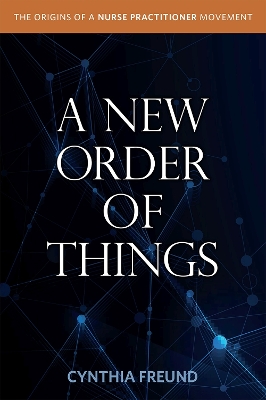
Nursing practice changed dramatically in the mid-1960s as experiments across the country demonstrated the effectiveness of nurses' expanded diagnostic and decision-making authority. The result was a new breed of nurse, the nurse practitioner.

In A New Order of Things, Freund takes readers through that evolution. Beginning with a demonstration project at the University of North Carolina, leading to the emergence of an innovative nurse practitioner training program, the siting of rural clinics with nurse practitioners as the primary providers of health services, a consortium of nurse practitioner training programs spanning the state, and ultimately to a movement: a new order of advanced nursing practice and primary care service delivery.

A New Order of Things is unique in that it documents a history with contemporary relevance, a case study illustrating how a major innovation was strategically engineered toward adoption at the organizational, health system, and state levels. Using multiple sources of historical records and 36 hours of interviews with leaders of the N.C. nurse practitioner movement, Freund illustrates how change leaders formed alliances in a politically nuanced process, thought ahead and of the present moment simultaneously, were adept at recognizing subtle clues and nimble enough to take advantage of opportune moments.

This story is N.C.'s story, but it is far more than that. It is a story for any health professional striving to make change in health services and move an innovative idea into widespread adoption.
Cynthia (Cindy) Freund retired as Professor and Dean Emerita of the UNC at Chapel Hill School of Nursing. In the seventies, as a nurse practitioner, she worked with the UNC nurse practitioner leaders for eight years, serving as Director of the N.C. Consortium of NP Programs.