Muutke küpsiste eelistusi
  • Formaat - PDF+DRM
  • Hind: 54,59 €*
  • * hind on lõplik, st. muud allahindlused enam ei rakendu
  • Lisa ostukorvi
  • Lisa soovinimekirja
  • See e-raamat on mõeldud ainult isiklikuks kasutamiseks. E-raamatuid ei saa tagastada.

DRM piirangud

  • Kopeerimine (copy/paste):

    ei ole lubatud

  • Printimine:

    ei ole lubatud

  • Kasutamine:

    Digitaalõiguste kaitse (DRM)
    Kirjastus on väljastanud selle e-raamatu krüpteeritud kujul, mis tähendab, et selle lugemiseks peate installeerima spetsiaalse tarkvara. Samuti peate looma endale  Adobe ID Rohkem infot siin. E-raamatut saab lugeda 1 kasutaja ning alla laadida kuni 6'de seadmesse (kõik autoriseeritud sama Adobe ID-ga).

    Vajalik tarkvara
    Mobiilsetes seadmetes (telefon või tahvelarvuti) lugemiseks peate installeerima selle tasuta rakenduse: PocketBook Reader (iOS / Android)

    PC või Mac seadmes lugemiseks peate installima Adobe Digital Editionsi (Seeon tasuta rakendus spetsiaalselt e-raamatute lugemiseks. Seda ei tohi segamini ajada Adober Reader'iga, mis tõenäoliselt on juba teie arvutisse installeeritud )

    Seda e-raamatut ei saa lugeda Amazon Kindle's. 

This book captures a dynamic snapshot of the Oscars and Hollywood in a critical era. Readers interested in media and cultural studies, celebrity studies, persona studies, popular culture and film will enjoy this book.


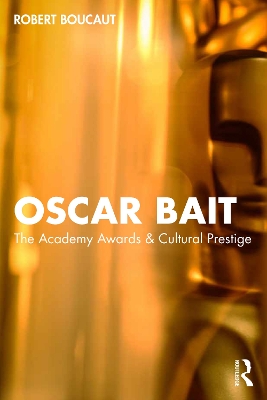
The Academy Awards – or "the Oscars" – have held a unique position in defining and enacting "prestige" for film industries and their publics. In evaluating ‘the best’ of film, they wield cultural influence over such cinema practices as consumption and evaluation, filmmaking aesthetics and narratives, and the discursive activity of Hollywood’s industrial agents and audiences. Oscar Bait: The Academy Awards & Cultural Prestige offers a comprehensive insight into how a film or star positions one’s self as a viable competitor worthy of such consecration in new media contexts.

Based over three years of ‘Oscars seasons’ (2019–2021), rigorous analysis of film texts, awards telecasts, and circulating discursive media is built through an original scholarly framework for understanding modern cultural awards. Oscar Bait recontextualises the Oscars’ complex legacy into a new media ecosystem, one in which their established value is undercut by declining broadcast viewership, the changing values and demands of global film publics, and influential discourses aiming to progress popular culture beyond its problematic histories. In this new paradigm of film production and consumption, Boucaut explores what the Oscars mean in a contemporary filmmaking landscape and what impacts established stereotypes of Oscar-worthiness – the colloquial ‘Oscar Bait’ – continue to hold over the awards.

Oscar Bait captures a dynamic snapshot of the Oscars and Hollywood in a critical era. It advances popular culture scholarship by developing an analytical framework for understanding disparate media texts within an awards season – and it critically updates Oscars knowledges for modern contexts. Readers interested in media and cultural studies, celebrity studies, persona studies, popular culture, and film will enjoy this book.

1. What is Oscar Bait?: Opening Monologue PART I: Oscars Knowledges
2.
Understanding the Oscars
3. Theorising Oscar: An Institutional Persona PART
II: The Modern Oscars
4. WTF Is the Academy Thinking?: The Oscars:
20192021
5. The Film is Totally Feminist Exploring Identity Intersections
6. There Can Be a Hundred People in the Room Celebrities Pursuing Greatness
7. Im Allergic to That Movie Oscars Evaluative Frameworks
8. As Someone
Who Has Endured Far More than His Fair Share of Oscar Bait The Meanings of
Oscar
9. The Academy Congratulates Anthony Hopkins and Accepts the Oscar on
His Behalf [ Roll Credits] Closing the Show
Robert Boucaut (he/him) is a lecturer in media at the University of Adelaide. His research analyses screen texts and stardoms for the mediated structures they occupy, the cultural concerns they embody, and the discursive actions of their audience. He has published works in Critical Studies in Television, Media International Australia, and the International Journal of Communication.