Muutke küpsiste eelistusi

E-raamat: Pentecostal Communion Ecclesiology: An Ecumenical Proposal

Teised raamatud teemal:
  • Formaat - PDF+DRM
  • Hind: 118,23 €*
  • * hind on lõplik, st. muud allahindlused enam ei rakendu
  • Lisa ostukorvi
  • Lisa soovinimekirja
  • See e-raamat on mõeldud ainult isiklikuks kasutamiseks. E-raamatuid ei saa tagastada.
Teised raamatud teemal:

DRM piirangud

  • Kopeerimine (copy/paste):

    ei ole lubatud

  • Printimine:

    ei ole lubatud

  • Kasutamine:

    Digitaalõiguste kaitse (DRM)
    Kirjastus on väljastanud selle e-raamatu krüpteeritud kujul, mis tähendab, et selle lugemiseks peate installeerima spetsiaalse tarkvara. Samuti peate looma endale  Adobe ID Rohkem infot siin. E-raamatut saab lugeda 1 kasutaja ning alla laadida kuni 6'de seadmesse (kõik autoriseeritud sama Adobe ID-ga).

    Vajalik tarkvara
    Mobiilsetes seadmetes (telefon või tahvelarvuti) lugemiseks peate installeerima selle tasuta rakenduse: PocketBook Reader (iOS / Android)

    PC või Mac seadmes lugemiseks peate installima Adobe Digital Editionsi (Seeon tasuta rakendus spetsiaalselt e-raamatute lugemiseks. Seda ei tohi segamini ajada Adober Reader'iga, mis tõenäoliselt on juba teie arvutisse installeeritud )

    Seda e-raamatut ei saa lugeda Amazon Kindle's. 
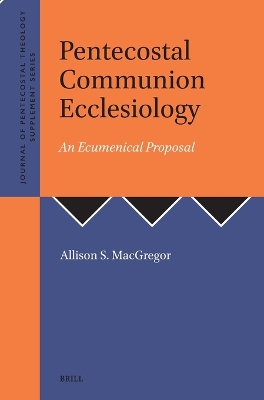
Koinonia has become the standard by which any biblically founded ecclesiology is measured. It serves as the foundation upon which ecumenical dialogue concerning the nature and purpose of the Church is built. Universal communion ecclesiology has emerged as increasingly prominent within the ecumenical movement, and many now consider it the foundation of ecumenism and of ecclesiological discourse. Communion ecclesiology has proven popular not only in Faith and Order Papers on the Church, originating in the World Council of Churches, but also in a number of bilateral dialogues and among noteworthy theologians across the ecumenical spectrum. Unfortunately, Pentecostal theologians have neither readily embraced this concept of the Church nor entered into the theological discourse in meaningful ways of significant impact. Few Pentecostal theologians have entered the conversation at all. The relative lack of attention to the subject by Pentecostal theologians demonstrates the significant need for this study. This study discusses the relevance of communion ecclesiology to both the ecumenical movement and Pentecostalism. It examines the ecclesiological views of Simon Chan, Miroslav Volf, and Veli-Matti Kärkkäinen, exploring how they help facilitate a more robust Pentecostal ecclesiology that has the capacity to engage in ecumenical dialogue.
Allison S. MacGregor, PhD (2023), Evangel University, is Associate Dean of Social Sciences and Associate Professor of Core Studies at Redeemer University, with expertise in the areas of Pentecostal ecclesiology and ecumenism. She is currently appointed to a number of ecumenical initiatives, including the national dialogue between the Evangelical Fellowship of Canada and the Canadian Conference of Catholic Bishops, as well as the Faith & Order Commission of the World Council of Churches.