Muutke küpsiste eelistusi
  • Formaat - PDF+DRM
  • Hind: 31,19 €*
  • * hind on lõplik, st. muud allahindlused enam ei rakendu
  • Lisa ostukorvi
  • Lisa soovinimekirja
  • See e-raamat on mõeldud ainult isiklikuks kasutamiseks. E-raamatuid ei saa tagastada.

DRM piirangud

  • Kopeerimine (copy/paste):

    ei ole lubatud

  • Printimine:

    ei ole lubatud

  • Kasutamine:

    Digitaalõiguste kaitse (DRM)
    Kirjastus on väljastanud selle e-raamatu krüpteeritud kujul, mis tähendab, et selle lugemiseks peate installeerima spetsiaalse tarkvara. Samuti peate looma endale  Adobe ID Rohkem infot siin. E-raamatut saab lugeda 1 kasutaja ning alla laadida kuni 6'de seadmesse (kõik autoriseeritud sama Adobe ID-ga).

    Vajalik tarkvara
    Mobiilsetes seadmetes (telefon või tahvelarvuti) lugemiseks peate installeerima selle tasuta rakenduse: PocketBook Reader (iOS / Android)

    PC või Mac seadmes lugemiseks peate installima Adobe Digital Editionsi (Seeon tasuta rakendus spetsiaalselt e-raamatute lugemiseks. Seda ei tohi segamini ajada Adober Reader'iga, mis tõenäoliselt on juba teie arvutisse installeeritud )

    Seda e-raamatut ei saa lugeda Amazon Kindle's. 

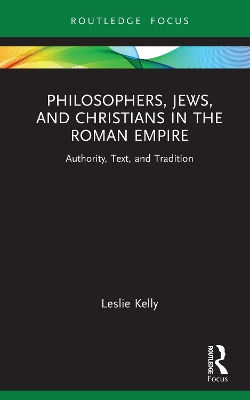
This book explores how philosophical and religious communities in the Roman Empire of the first and second centuries CE engaged with and were shaped by their relationship to texts and tradition in their quest for true religious knowledge, or ultimate truth.

This era was a dynamic transition period for philosophers, Jews, and Christians in the Roman Empire: it was the stage between Hellenistic philosophy and the Neoplatonism of Late Antiquity; the end of Second Temple Judaism and the start of the rabbinic period; Christianity’s rapid growth and transformation into an institutional and uniform church. Philosophers, Jews, and Christians utilized similar strategies for communal identity and boundary-marking and reinterpreted ancient traditions in creative ways to create new centers of authority. An intellectual literary culture fostered a focus on texts as a locus of contention, conversion, and exchange within and between groups. The book surveys and compares these groups as three distinct textual or reading communities, analyzing their practices of textual engagement and parallel attitudes towards textual authority in this period.

This book is suitable for students and scholars working on ancient philosophy in the Roman Empire, classicists, and scholars of early Christianity and Judaism in this period.


This book explores how philosophical and religious communities in the Roman Empire of the first and second centuries CE engaged with and were shaped by their relationship to texts and tradition in their quest for true religious knowledge, or ultimate truth.

1. Introduction;
2. Philosophers;
3. Jews;
4. Christians;
5. Conclusion.
Leslie Kelly is Professor of History in the School of Arts, Humanities and Education at American Public University, USA. She is the author of Sources in Late Antiquity and Byzantium; Prophets, Prophecy, and Oracles in the Roman Empire: Jewish, Christian, and Greco-Roman Cultures; and Dialogue in the Greco-Roman World.