Muutke küpsiste eelistusi

E-raamat: Picturing the Page: Illustrated Children's Literature and Reading under Lenin and Stalin

  • Formaat: 240 pages
  • Ilmumisaeg: 05-May-2020
  • Kirjastus: University of Toronto Press
  • Keel: eng
  • ISBN-13: 9781442667419
  • Formaat - PDF+DRM
  • Hind: 33,33 €*
  • * hind on lõplik, st. muud allahindlused enam ei rakendu
  • Lisa ostukorvi
  • Lisa soovinimekirja
  • See e-raamat on mõeldud ainult isiklikuks kasutamiseks. E-raamatuid ei saa tagastada.
  • Formaat: 240 pages
  • Ilmumisaeg: 05-May-2020
  • Kirjastus: University of Toronto Press
  • Keel: eng
  • ISBN-13: 9781442667419

DRM piirangud

  • Kopeerimine (copy/paste):

    ei ole lubatud

  • Printimine:

    ei ole lubatud

  • Kasutamine:

    Digitaalõiguste kaitse (DRM)
    Kirjastus on väljastanud selle e-raamatu krüpteeritud kujul, mis tähendab, et selle lugemiseks peate installeerima spetsiaalse tarkvara. Samuti peate looma endale  Adobe ID Rohkem infot siin. E-raamatut saab lugeda 1 kasutaja ning alla laadida kuni 6'de seadmesse (kõik autoriseeritud sama Adobe ID-ga).

    Vajalik tarkvara
    Mobiilsetes seadmetes (telefon või tahvelarvuti) lugemiseks peate installeerima selle tasuta rakenduse: PocketBook Reader (iOS / Android)

    PC või Mac seadmes lugemiseks peate installima Adobe Digital Editionsi (Seeon tasuta rakendus spetsiaalselt e-raamatute lugemiseks. Seda ei tohi segamini ajada Adober Reader'iga, mis tõenäoliselt on juba teie arvutisse installeeritud )

    Seda e-raamatut ei saa lugeda Amazon Kindle's. 

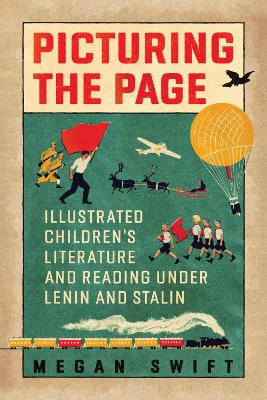
Based on sources from rare book libraries in Russia and around the world, Picturing the Page offers a vivid exploration of illustrated children’s literature and reading under Lenin and Stalin – a period when mass publishing for children and universal public education became available for the first time in Russia. Through an analysis of illustrations in fairy tales, classics, and wartime picture books, Megan Swift elucidates the vital and multifaceted function of illustrated children’s literature in repurposing the past.

Picturing the Page demonstrates that while the texts of the past remained fixed, illustrations could slip between the pages to mediate and annotate that past, as well as connect with anti-religious, patriotic, and other campaigns that were central to Soviet children’s culture after the 1917 Revolution. The author also shows that during World War II, picture books created a sense of a shared past by reaching out to child readers of the 1940s and beyond them to their parents, the first generation of Soviet readers who had been shaped by the pictures on the page.


This is the first work to examine illustrated children’s literature under Lenin and Stalin and to make use of rarely-explored Soviet children’s books from libraries around the world.

List of Illustrations
vii
Acknowledgments xiii
Abbreviations xv
Introduction: Picturing a New Childhood 3(16)
Part I Fairy-Tale Nation
19(62)
1 The Poet, the Priest, and the Peasant
29(28)
2 Up, Up, and Away on the Little Humpbacked Horse
57(24)
Part II The Afterlife of Russian Classics
81(42)
3 The Bronze Horseman Rides Again
87(22)
4 Anna Karenina and the Mother-and-Child Reunion
109(14)
Part III War-Time Picture Books
123(44)
5 Mayakovsky Is Marching with Us
133(18)
6 Pochta: Circulation, Delivery, Return
151(16)
Conclusion: Yesterday and Today 167(10)
Notes 177(26)
Bibliography 203(14)
Index 217
Megan Swift is an associate professor in the Department of Germanic and Slavic Studies at the University of Victoria.