Muutke küpsiste eelistusi

E-raamat: Political Geography of Polarising Identities: Contested Iconic Places

(University of Utrecht, Netherlands)
  • Formaat - PDF+DRM
  • Hind: 54,59 €*
  • * hind on lõplik, st. muud allahindlused enam ei rakendu
  • Lisa ostukorvi
  • Lisa soovinimekirja
  • See e-raamat on mõeldud ainult isiklikuks kasutamiseks. E-raamatuid ei saa tagastada.

DRM piirangud

  • Kopeerimine (copy/paste):

    ei ole lubatud

  • Printimine:

    ei ole lubatud

  • Kasutamine:

    Digitaalõiguste kaitse (DRM)
    Kirjastus on väljastanud selle e-raamatu krüpteeritud kujul, mis tähendab, et selle lugemiseks peate installeerima spetsiaalse tarkvara. Samuti peate looma endale  Adobe ID Rohkem infot siin. E-raamatut saab lugeda 1 kasutaja ning alla laadida kuni 6'de seadmesse (kõik autoriseeritud sama Adobe ID-ga).

    Vajalik tarkvara
    Mobiilsetes seadmetes (telefon või tahvelarvuti) lugemiseks peate installeerima selle tasuta rakenduse: PocketBook Reader (iOS / Android)

    PC või Mac seadmes lugemiseks peate installima Adobe Digital Editionsi (Seeon tasuta rakendus spetsiaalselt e-raamatute lugemiseks. Seda ei tohi segamini ajada Adober Reader'iga, mis tõenäoliselt on juba teie arvutisse installeeritud )

    Seda e-raamatut ei saa lugeda Amazon Kindle's. 
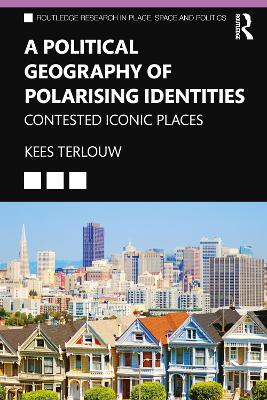
This book links the current wave of political polarisation to the polarisation taking place between cosmopolitan and parochial identity discourses and their antagonistic valuation of iconic urban and regional places.

Instead of looking for explanations of polarisation only in left-behind regions, this book analyses how societal changes favouring cities, like globalisation and individualisation, created an urban hubris which is now challenged. A careful analysis of the different valuations of specific iconic places like those linked to borders, waterfront apartments, and livestock farms in different Western European countries shows that this polarisation between cosmopolitan and parochial identity discourses goes deeper and further than the rise in support for national populism. It shows the growing spatial polarisation through the enclavisation of the cosmopolitan new bourgeoisie in cities, further polarising the antagonistic valuation of different iconic urban and regional places as either disgusting examples of urban arrogance or parochial bigotry.

The broader spatial and temporal perspective adopted in this book is of interest to anyone who wants to look beyond the national political headlines. It will help students, researchers, human geographers, political scientists, and sociologists better understand the intricate relation between identities, politics, places, and societal developments.


This book links the current wave of political polarisation to the polarisation taking place between cosmopolitan and parochial identity discourses, and their antagonistic valuation of iconic urban and regional places.

1. Introduction: The polarisation of everything
2. Cultivating identity
discourses and iconic places
3. Contested national borders
4. Cities:
Concentrating success
5. Regions threatened by urbanisation
6. Regions losing
out in the society of singularities
7. Industrial livestock farms: Protecting
animal rights or rural livelihoods?
8. Rewilding: Restoring nature or
threatening the rural way of life?
9. Towards a better understanding of the
role of space in polarisation
Kees Terlouw is a political geographer and sociologist in the Department of Human Geography and Spatial Planning at Utrecht University in the Netherlands. His work focuses on the political usages of spatial identities, especially those related to the governance of local and regional administrations.