Muutke küpsiste eelistusi
  • Formaat - EPUB+DRM
  • Hind: 72,79 €*
  • * hind on lõplik, st. muud allahindlused enam ei rakendu
  • Lisa ostukorvi
  • Lisa soovinimekirja
  • See e-raamat on mõeldud ainult isiklikuks kasutamiseks. E-raamatuid ei saa tagastada.
  • Raamatukogudele

DRM piirangud

  • Kopeerimine (copy/paste):

    ei ole lubatud

  • Printimine:

    ei ole lubatud

  • Kasutamine:

    Digitaalõiguste kaitse (DRM)
    Kirjastus on väljastanud selle e-raamatu krüpteeritud kujul, mis tähendab, et selle lugemiseks peate installeerima spetsiaalse tarkvara. Samuti peate looma endale  Adobe ID Rohkem infot siin. E-raamatut saab lugeda 1 kasutaja ning alla laadida kuni 6'de seadmesse (kõik autoriseeritud sama Adobe ID-ga).

    Vajalik tarkvara
    Mobiilsetes seadmetes (telefon või tahvelarvuti) lugemiseks peate installeerima selle tasuta rakenduse: PocketBook Reader (iOS / Android)

    PC või Mac seadmes lugemiseks peate installima Adobe Digital Editionsi (Seeon tasuta rakendus spetsiaalselt e-raamatute lugemiseks. Seda ei tohi segamini ajada Adober Reader'iga, mis tõenäoliselt on juba teie arvutisse installeeritud )

    Seda e-raamatut ei saa lugeda Amazon Kindle's. 

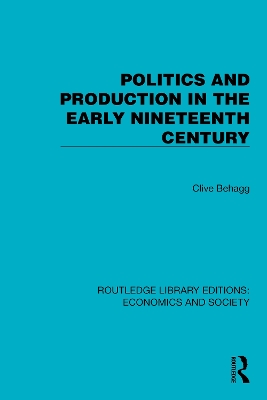
Politics and Production in the Early Nineteenth Century (1990) challenges the standard interpretation of the social relations of production in the workshop sector and argues that the social, economic and political facets are not separable.


Politics and Production in the Early Nineteenth Century (1990) breaks new ground in understanding the culture of the workplace. It addresses debates in social history concerning the nature of the labour process under early capitalism and the language of politics, and it draws these debates together in a compelling way. It challenges the standard interpretation of the social relations of production in the workshop sector. Conflict over work reorganization involved very particular constructions of the social world by both employers and workforce. It argues that the social, economic and political facets of these constructs are not separable. By analysing the rhetoric of justification offered by those attempting to formulate economic change, and by those challenging their efforts in the workplace, it casts new light on the context within which different notions of political representation evolved in Britain.

1. Industrialisation and the Transformation of the Small Producer
2.
Politics and Small-scale Production
3. The Worst of Democracies: the
Internal Life of the Workplace
4. Riding the Tiger: Middle-class and
Working-class Radicalism in the Reform Bill Campaign
5. The Early Chartist
Experience