Muutke küpsiste eelistusi

E-raamat: Poverty Archaeology: Architecture, Material Culture and the Workhouse under the New Poor Law

  • Formaat: PDF+DRM
  • Ilmumisaeg: 13-Oct-2023
  • Kirjastus: Berghahn Books
  • Keel: eng
  • ISBN-13: 9781805391104
  • Formaat - PDF+DRM
  • Hind: 19,70 €*
  • * hind on lõplik, st. muud allahindlused enam ei rakendu
  • Lisa ostukorvi
  • Lisa soovinimekirja
  • See e-raamat on mõeldud ainult isiklikuks kasutamiseks. E-raamatuid ei saa tagastada.
  • Formaat: PDF+DRM
  • Ilmumisaeg: 13-Oct-2023
  • Kirjastus: Berghahn Books
  • Keel: eng
  • ISBN-13: 9781805391104

DRM piirangud

  • Kopeerimine (copy/paste):

    ei ole lubatud

  • Printimine:

    ei ole lubatud

  • Kasutamine:

    Digitaalõiguste kaitse (DRM)
    Kirjastus on väljastanud selle e-raamatu krüpteeritud kujul, mis tähendab, et selle lugemiseks peate installeerima spetsiaalse tarkvara. Samuti peate looma endale  Adobe ID Rohkem infot siin. E-raamatut saab lugeda 1 kasutaja ning alla laadida kuni 6'de seadmesse (kõik autoriseeritud sama Adobe ID-ga).

    Vajalik tarkvara
    Mobiilsetes seadmetes (telefon või tahvelarvuti) lugemiseks peate installeerima selle tasuta rakenduse: PocketBook Reader (iOS / Android)

    PC või Mac seadmes lugemiseks peate installima Adobe Digital Editionsi (Seeon tasuta rakendus spetsiaalselt e-raamatute lugemiseks. Seda ei tohi segamini ajada Adober Reader'iga, mis tõenäoliselt on juba teie arvutisse installeeritud )

    Seda e-raamatut ei saa lugeda Amazon Kindle's. 

"The Poor Laws in the United Kingdom left a built and material legacy of over two centuries of legislative provision for the poor and infirm. Workhouses represent the first centralized, state-organized system for welfare, though they maintain a notorioushistorical reputation. Workhouses were intended to be specialized institutions, with dedicated subdivisions for the management of different categories of inmate. Examining the workhouse provision from an archaeological perspective, the authors demonstrate the heterogeneity of the Poor Law system from a built heritage perspective. This volume forms a social archaeology of the lived experience of poverty and health in the nineteenth century"--

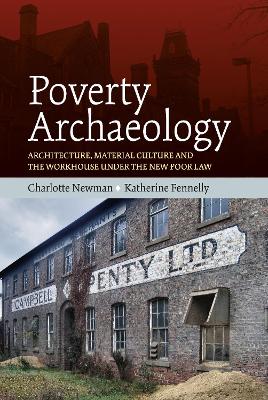
The Poor Laws in the United Kingdom left a built and material legacy of over two centuries of legislative provision for the poor and infirm. Workhouses represent the first centralized, state-organized system for welfare, though they maintain a notorious historical reputation. Workhouses were intended to be specialized institutions, with dedicated subdivisions for the management of different categories of inmate. Examining the workhouse provision from an archaeological perspective, the authors demonstrate the heterogeneity of the Poor Law system from a built heritage perspective. This volume forms a social archaeology of the lived experience of poverty and health in the nineteenth century.

Arvustused

This is an excellent and fascinating examination of how archaeology can inform the study of poverty in nineteenth century England. The work takes as its focus the exploration of workhouses and how the analysis of the built material culture can aid our understanding of them. It exemplifies the value of using detailed case studies to interrogate and critique national models and understandings of social experience. To tell, what Hicks and Beaudry have called, stories that matter. Matthew Jenkins, University of York

List of Figures
Forward

Introduction

Chapter 1. Poverty Archaeology
Chapter 2. The Sick
Chapter 3. The Elderly
Chapter 4. The Young
Chapter 5. The Mad
Chapter 6. The Workers

Concluding Thoughts

Bibliography
Charlotte Newman is a Senior House and Collections Manager at the National Trust, based in Cornwall, UK. She has a BA from the University of Leicester and an MA and PhD from the University of York. She has previously worked for English Heritage as a curator (2011-2019). She has published on archaeological and material approaches to institutions and interiors.