Muutke küpsiste eelistusi

E-raamat: Proxy Africa: Guyana, African Americans, and the Radical 1970s

  • Formaat - PDF+DRM
  • Hind: 175,50 €*
  • * hind on lõplik, st. muud allahindlused enam ei rakendu
  • Lisa ostukorvi
  • Lisa soovinimekirja
  • See e-raamat on mõeldud ainult isiklikuks kasutamiseks. E-raamatuid ei saa tagastada.

DRM piirangud

  • Kopeerimine (copy/paste):

    ei ole lubatud

  • Printimine:

    ei ole lubatud

  • Kasutamine:

    Digitaalõiguste kaitse (DRM)
    Kirjastus on väljastanud selle e-raamatu krüpteeritud kujul, mis tähendab, et selle lugemiseks peate installeerima spetsiaalse tarkvara. Samuti peate looma endale  Adobe ID Rohkem infot siin. E-raamatut saab lugeda 1 kasutaja ning alla laadida kuni 6'de seadmesse (kõik autoriseeritud sama Adobe ID-ga).

    Vajalik tarkvara
    Mobiilsetes seadmetes (telefon või tahvelarvuti) lugemiseks peate installeerima selle tasuta rakenduse: PocketBook Reader (iOS / Android)

    PC või Mac seadmes lugemiseks peate installima Adobe Digital Editionsi (Seeon tasuta rakendus spetsiaalselt e-raamatute lugemiseks. Seda ei tohi segamini ajada Adober Reader'iga, mis tõenäoliselt on juba teie arvutisse installeeritud )

    Seda e-raamatut ei saa lugeda Amazon Kindle's. 
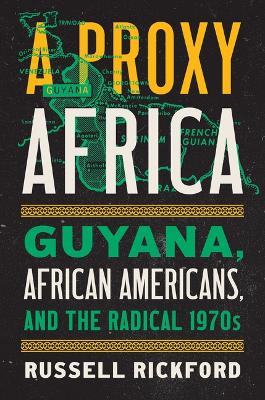
Nestled between Brazil, Venezuela, and Suriname, Guyana is the third-smallest sovereign state in mainland South America, and one of its youngest. Originally a Dutch colony, Guyana remained under British rule from the late eighteenth century until gaining independence in 1966 and becoming a republic in 1970. Apart from the 1978 mass murder-suicide of cult leader Jim Jones’s followers in Jonestown, Guyana has been mostly peripheral to mainstream geopolitics. Yet for a generation of Black revolutionaries from around the world, Guyana was a vibrant site of pan-African activism. The country was particularly attractive to veterans of the US civil rights movement who sought alternative places to construct flourishing postcolonial, pan-African nation-states.

In this first, comprehensive history of Guyana’s core role in anticolonial, Black internationalist movements in the 1960s and 1970s, historian Russell Rickford traces the history of African Americans who traveled to the country to work with, learn from, and teach Guyanese politicians, activists, and other international figures in the long fight for Black freedom. With encouragement from Prime Minister Forbes Burnham, they eagerly accepted the invitation to move to Guyana to establish new cooperative settlements. Rickford compellingly narrates Guyana’s allure and promise for Black Americans, along with the limitations they faced when ideology clashed with lived realities—especially political ones—once there.

Arvustused

A sweeping history that focuses intently on Guyana and especially African Americans that is well-researched, well-written, and revelatory. The contribution to the field is overwhelming to the point that it carves out new territory, due in large part to Rickfords granular research.GeraldHorne, author of Revolting Capital: Racism and Radicalism in Washington, D.C., 19002000

In this richly researched, informative study of the surge of interest in Guyana as a site of revolutionary aspirations,Rickfordsituates the country within a longer history of pan-Africanism, Caribbean radicalism, and anticolonial solidarities. His analysis of the engagement of African American activists, exiles, travelers, and expatriates with Guyana is unsparing even as it takes their ideas and radical hopes seriously.Kevin K. Gaines, author of African Americans in Ghana: Black Expatriates and the Civil Rights Era

Russell Rickford is associate professor of history at Cornell University.