Muutke küpsiste eelistusi
  • Formaat - PDF+DRM
  • Hind: 51,99 €*
  • * hind on lõplik, st. muud allahindlused enam ei rakendu
  • Lisa ostukorvi
  • Lisa soovinimekirja
  • See e-raamat on mõeldud ainult isiklikuks kasutamiseks. E-raamatuid ei saa tagastada.

DRM piirangud

  • Kopeerimine (copy/paste):

    ei ole lubatud

  • Printimine:

    ei ole lubatud

  • Kasutamine:

    Digitaalõiguste kaitse (DRM)
    Kirjastus on väljastanud selle e-raamatu krüpteeritud kujul, mis tähendab, et selle lugemiseks peate installeerima spetsiaalse tarkvara. Samuti peate looma endale  Adobe ID Rohkem infot siin. E-raamatut saab lugeda 1 kasutaja ning alla laadida kuni 6'de seadmesse (kõik autoriseeritud sama Adobe ID-ga).

    Vajalik tarkvara
    Mobiilsetes seadmetes (telefon või tahvelarvuti) lugemiseks peate installeerima selle tasuta rakenduse: PocketBook Reader (iOS / Android)

    PC või Mac seadmes lugemiseks peate installima Adobe Digital Editionsi (Seeon tasuta rakendus spetsiaalselt e-raamatute lugemiseks. Seda ei tohi segamini ajada Adober Reader'iga, mis tõenäoliselt on juba teie arvutisse installeeritud )

    Seda e-raamatut ei saa lugeda Amazon Kindle's. 
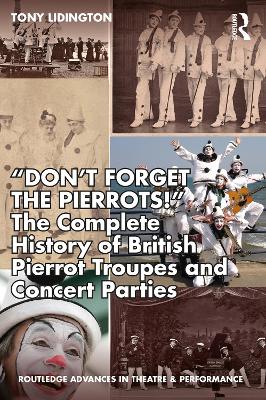
This volume is the first authoritative historical textbook to look at the origins, development and evolution of seaside pierrot troupes and concert parties and their popular performance heritage.

It will provide, for the first time, a definition of the pierrot troupe and its evolution from the roots of European popular traditions such as the commedia dellarte and minstrelsy, to links between music hall and contemporary popular culture. Tony Lidington will explore how pierrot troupes grew from a single idea into a major international cultural industry and how it boosted morale and national identity during the two World Wars, before sublimating into contemporary pop music and comedy. Tonys continuing practice as research provides an experiential framework for the historical and ethnographic analysis of the form.

This book will be of vital interest to students, researchers, and performers of outdoor (al fresco) arts, clowning and comedy, minstrelsy, vernacular music-making and music hall.
List of figures

Thanks!

Support for writing and illustrations

Acknowledgements

Note about cover images

Preface: The Pierrot fable

Introduction

1 Here we are again!: Current practice

2 Trope to troupe: The origins of Pierrot in Britain

3 Minstrels: White and black

4 The Seaside Minstrels

5 Proliferation

6 Bringing Blighty to the Boys with troupes for the troops: Pierrot troupes
and concert parties in the First World War

7 Ambiguities in the evolution of the form and its developments during the
inter-war years

8 Khaki-clad pierrot heroes: British concert parties/pierrot troupes in the
Second World War

9 Its that troupe again : Concert party adaptations for the airwaves and
post-war British pop culture

10 Impacts and reverberations: The ways in which the seaside troupe format
has directly affected contemporary culture

11 Conclusion: Pierrots and concert parties provide a portal to past, present
and future popular culture

Appendices

Appendix 1: Timeline of pierrot/concert-party projects by Tony Lidington

Appendix 2: Programme for Moore & Burgess Minstrels, April 14th 1877

Appendix 3: early members of Clifford Essexs troupe

Appendix 4: Table illustrating the date of the first connections to seaside
resorts by steamer and railway

Appendix 5: Spreadsheet of troupes with the words Royal or Imperial in
the title

Appendix 6: List of troupes formed prior to the First World War

Appendix 7: Song books & publishers for pierrot troupes and concert parties

Appendix 8: List of troupes operating in the First World War

Appendix 9: Pierrot troupe list for 19181939

Appendix 10: Numbers of ENSA performances (from information provided by Basil
Dean)

Appendix 11: Annual budgetary expenditures for ENSA

Appendix 12: List of seaside shows opening 19461961

Appendix 13: The Roosters

Glossary of terms

References

Index
Tony Lidington is associate lecturer of Drama at the University of Exeter, UK. Tony has been a professional showman for 40 years researching and implementing British popular entertainment forms in a wide variety of contexts throughout the country. He is founder and performer of the last-remaining professional seaside pierrot troupe the "Pierrotters" and has performed at countless resorts and events as his alter ego "Uncle Tacko!"