Muutke küpsiste eelistusi
  • Formaat - EPUB+DRM
  • Hind: 59,79 €*
  • * hind on lõplik, st. muud allahindlused enam ei rakendu
  • Lisa ostukorvi
  • Lisa soovinimekirja
  • See e-raamat on mõeldud ainult isiklikuks kasutamiseks. E-raamatuid ei saa tagastada.
  • Raamatukogudele

DRM piirangud

  • Kopeerimine (copy/paste):

    ei ole lubatud

  • Printimine:

    ei ole lubatud

  • Kasutamine:

    Digitaalõiguste kaitse (DRM)
    Kirjastus on väljastanud selle e-raamatu krüpteeritud kujul, mis tähendab, et selle lugemiseks peate installeerima spetsiaalse tarkvara. Samuti peate looma endale  Adobe ID Rohkem infot siin. E-raamatut saab lugeda 1 kasutaja ning alla laadida kuni 6'de seadmesse (kõik autoriseeritud sama Adobe ID-ga).

    Vajalik tarkvara
    Mobiilsetes seadmetes (telefon või tahvelarvuti) lugemiseks peate installeerima selle tasuta rakenduse: PocketBook Reader (iOS / Android)

    PC või Mac seadmes lugemiseks peate installima Adobe Digital Editionsi (Seeon tasuta rakendus spetsiaalselt e-raamatute lugemiseks. Seda ei tohi segamini ajada Adober Reader'iga, mis tõenäoliselt on juba teie arvutisse installeeritud )

    Seda e-raamatut ei saa lugeda Amazon Kindle's. 

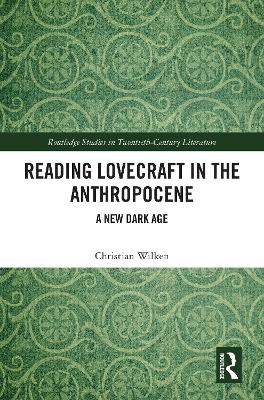
In Reading Lovecraft in the Anthropocene: A New Dark Age, the intersection of environmental, philosophical, and literary discourses is explored through the lens of H.P. Lovecraft’s weird fiction.


In Reading Lovecraft in the Anthropocene: A New Dark Age, the intersection of environmental, philosophical, and literary discourses is explored through the lens of H.P. Lovecraft’s weird fiction. This study examines the convergence of three critical phenomena: the widespread recognition of the Anthropocene as a marker of human impact on the planet, the rise of speculative realism and Object-Oriented Ontology (OOO) in contemporary philosophy, and the growing cultural and academic influence of Lovecraft’s work.

Divided into three parts – “Seeds,” “Crops,” and “Excrescence” – the book traces Lovecraft’s gothic and decadent influences, examines materiality and its transcendence in weird fiction, and considers the posthuman and postsecular dimensions of his narratives. Through this, the study highlights Lovecraft’s role in navigating the challenges of a secular, disenchanted world, offering a “dark enchantment” that echoes current philosophical concerns.

This work ultimately synthesizes discussions on weird fiction as a response to the existential and ecological crises of the Anthropocene, addressing issues like correlationism, anthropocentrism, and our fraught relationship with the natural world.

Arvustused

"Wilkens book encapsulates the best of Lovecraftian Studies and speculative criticism, encountering Lovecraft on his own terms, on the dark theodicean landscape of a cosmic horror that both captivates and exacerbates the unwary traveller."

--Marcello Ricciardi, Associate Professor, English Dept. St. Josephs University, Patchogue, NY

Introduction

Part One: The Bad Seed

1. Weird Antecedents

2. Weird Decadence

3. Weird Ontology

Part Two: Crops

4. Weird Dwellings

5. Weird Ecology

6. Weird Sensations

Part Three: Excrescence

7. Weird Posthuman/Prehuman

8. Weird Postsecular

9. Weird Dreamscape

Closure: Minding the Gap

Christian Wilken is a research associate at the University of Koblenz and a lecturer at the University of Düsseldorf.