Muutke küpsiste eelistusi

E-raamat: Revue in Twentieth-Century Budapest: From Cosmopolitan Night-Clubs to Stalinist Dogma

  • Formaat: PDF+DRM
  • Sari: Elements in Musical Theatre
  • Ilmumisaeg: 22-May-2025
  • Kirjastus: Cambridge University Press
  • Keel: eng
  • ISBN-13: 9781009298179
  • Formaat - PDF+DRM
  • Hind: 21,00 €*
  • * hind on lõplik, st. muud allahindlused enam ei rakendu
  • Lisa ostukorvi
  • Lisa soovinimekirja
  • See e-raamat on mõeldud ainult isiklikuks kasutamiseks. E-raamatuid ei saa tagastada.
  • Formaat: PDF+DRM
  • Sari: Elements in Musical Theatre
  • Ilmumisaeg: 22-May-2025
  • Kirjastus: Cambridge University Press
  • Keel: eng
  • ISBN-13: 9781009298179

DRM piirangud

  • Kopeerimine (copy/paste):

    ei ole lubatud

  • Printimine:

    ei ole lubatud

  • Kasutamine:

    Digitaalõiguste kaitse (DRM)
    Kirjastus on väljastanud selle e-raamatu krüpteeritud kujul, mis tähendab, et selle lugemiseks peate installeerima spetsiaalse tarkvara. Samuti peate looma endale  Adobe ID Rohkem infot siin. E-raamatut saab lugeda 1 kasutaja ning alla laadida kuni 6'de seadmesse (kõik autoriseeritud sama Adobe ID-ga).

    Vajalik tarkvara
    Mobiilsetes seadmetes (telefon või tahvelarvuti) lugemiseks peate installeerima selle tasuta rakenduse: PocketBook Reader (iOS / Android)

    PC või Mac seadmes lugemiseks peate installima Adobe Digital Editionsi (Seeon tasuta rakendus spetsiaalselt e-raamatute lugemiseks. Seda ei tohi segamini ajada Adober Reader'iga, mis tõenäoliselt on juba teie arvutisse installeeritud )

    Seda e-raamatut ei saa lugeda Amazon Kindle's. 
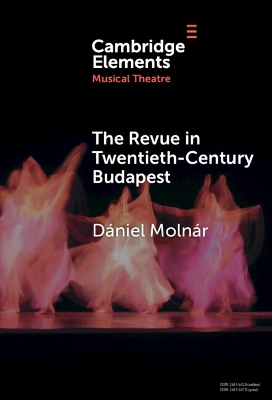
This Element discusses Budapest from the 1920s until 1968. The field of entertainment began to be considered a cultural product that had to adhere to new political requirements. By 1968, the revue's cultural relevance had become almost insignificant with the appearance of new genres of entertainment.

Budapest from the 1920s until 1968. In the 1930s, Budapest became the capital of Central European cosmopolitan nightlife. As Hungary's borders closed after the Second World War, any chance for the revue to regain its international authority was lost. The turn to communism and the new Stalinist totalitarian system had to come to terms with this stigmatised, but highly popular genre. For the first time, the field of entertainment began to be considered a cultural product that had to adhere to new political requirements. Three experiments attempted to legitimise the genre in the 1950s and their inevitable failure broke the genre's local tradition. By the time its place was stabilised within the socialist system by 1968, the revue's cultural relevance had become almost insignificant with the appearance of new genres of entertainment.

Muu info

The struggle of Hungarian state-socialism to adapt the cosmopolitan entertainment heritage of the 'Budapest Broadway'.
1. Sources, methods, contexts;
2. From local importance to international
fame: 'Budapest Broadway', 19201944;
3. Revues in crisis;
4. The socialist
revue experiments;
5. Changes in set and costume design: the politics of
visual representation;
6. The recuperation and stabilisation of revues in
socialist Hungary after 1953;
7. Epilogue: the legacy of the Stalinist-era
revue in Hungary; References.