Muutke küpsiste eelistusi

E-raamat: Rise of Nationalist Populism: Comparing Western European Right-Wing Political Parties

  • Formaat - PDF+DRM
  • Hind: 4,47 €*
  • * hind on lõplik, st. muud allahindlused enam ei rakendu
  • Lisa ostukorvi
  • Lisa soovinimekirja
  • See e-raamat on mõeldud ainult isiklikuks kasutamiseks. E-raamatuid ei saa tagastada.

DRM piirangud

  • Kopeerimine (copy/paste):

    ei ole lubatud

  • Printimine:

    ei ole lubatud

  • Kasutamine:

    Digitaalõiguste kaitse (DRM)
    Kirjastus on väljastanud selle e-raamatu krüpteeritud kujul, mis tähendab, et selle lugemiseks peate installeerima spetsiaalse tarkvara. Samuti peate looma endale  Adobe ID Rohkem infot siin. E-raamatut saab lugeda 1 kasutaja ning alla laadida kuni 6'de seadmesse (kõik autoriseeritud sama Adobe ID-ga).

    Vajalik tarkvara
    Mobiilsetes seadmetes (telefon või tahvelarvuti) lugemiseks peate installeerima selle tasuta rakenduse: PocketBook Reader (iOS / Android)

    PC või Mac seadmes lugemiseks peate installima Adobe Digital Editionsi (Seeon tasuta rakendus spetsiaalselt e-raamatute lugemiseks. Seda ei tohi segamini ajada Adober Reader'iga, mis tõenäoliselt on juba teie arvutisse installeeritud )

    Seda e-raamatut ei saa lugeda Amazon Kindle's. 

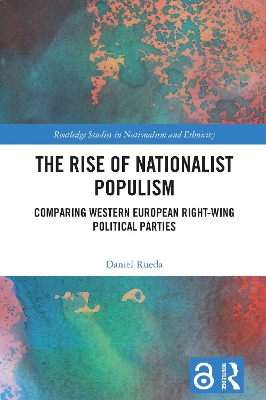
The Rise of Nationalist Populism explores the intersection between populism and nationalism, conducted through the discursive analysis of three Populist Radical Right parties that have gained prominence during the 2010s: Rassemblement National (France), Lega (Italy) and Vox (Spain).


The Rise of Nationalist Populism explores the intersection between populism and nationalism, conducted through the discursive analysis of three Populist Radical Right parties that have gained prominence during the 2010s: Rassemblement National (France), Lega (Italy) and Vox (Spain).

Due to its rise in Europe, the United States, and further afield, there is a growing interest in right-wing populism, an exclusionary and illiberal form of populism that has been able to attain success in several countries. This book contributes to the analysis of how populism, understood as a way of constructing the political, is shaped by the ideologies that permeate it. It examines how a certain form of nationalism is shaped by populist dynamics, that is by a certain form of identity-building. The book analyses the intersection between nationalism and populism in right-wing populist parties by using a discourse analysis methodology based on Ernesto Laclau’s works, thus conducting an examination similar to the ones presented by the Essex School of Discourse Analysis. The empirical analysis focuses on party literature and carefully selected candidate speeches at a national level for its three case studies, as well as providing an overarching comparison. The book shows how the economic crisis and the irruption of issues related to sovereignty and national identity arising in France, Italy and Spain paved the way for the emergence of their respective right-wing populist forces.

The book will appeal to researchers and students of political science, especially those with an interest in populism, discourse analysis, identity and the far right.


1. Introduction
2. Literature review
3. Theoretical framework
4. Methodology
5. Discourse analysis: introduction
6. Discourse analysis: France
7. Discourse analysis: Italy
8. Discourse analysis: Spain
9. Comparative analysis
10. Conclusions
Daniel Rueda received his PhD from Kings College London, London, the United Kingdom. He currently works as a teacher of Political Sociology and International Relations at the Universidad Pontificia Comillas, in Madrid.