Muutke küpsiste eelistusi

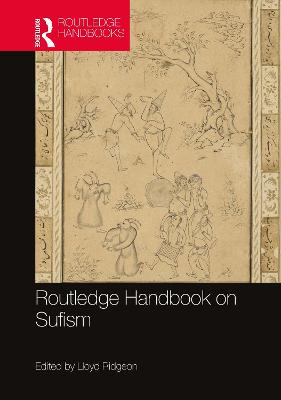
E-raamat: Routledge Handbook on Sufism

Edited by (Glasgow University)
  • Formaat: EPUB+DRM
  • Ilmumisaeg: 09-Aug-2020
  • Kirjastus: Routledge
  • Keel: eng
  • ISBN-13: 9781351706476
  • Formaat - EPUB+DRM
  • Hind: 54,59 €*
  • * hind on lõplik, st. muud allahindlused enam ei rakendu
  • Lisa ostukorvi
  • Lisa soovinimekirja
  • See e-raamat on mõeldud ainult isiklikuks kasutamiseks. E-raamatuid ei saa tagastada.
  • Formaat: EPUB+DRM
  • Ilmumisaeg: 09-Aug-2020
  • Kirjastus: Routledge
  • Keel: eng
  • ISBN-13: 9781351706476

DRM piirangud

  • Kopeerimine (copy/paste):

    ei ole lubatud

  • Printimine:

    ei ole lubatud

  • Kasutamine:

    Digitaalõiguste kaitse (DRM)
    Kirjastus on väljastanud selle e-raamatu krüpteeritud kujul, mis tähendab, et selle lugemiseks peate installeerima spetsiaalse tarkvara. Samuti peate looma endale  Adobe ID Rohkem infot siin. E-raamatut saab lugeda 1 kasutaja ning alla laadida kuni 6'de seadmesse (kõik autoriseeritud sama Adobe ID-ga).

    Vajalik tarkvara
    Mobiilsetes seadmetes (telefon või tahvelarvuti) lugemiseks peate installeerima selle tasuta rakenduse: PocketBook Reader (iOS / Android)

    PC või Mac seadmes lugemiseks peate installima Adobe Digital Editionsi (Seeon tasuta rakendus spetsiaalselt e-raamatute lugemiseks. Seda ei tohi segamini ajada Adober Reader'iga, mis tõenäoliselt on juba teie arvutisse installeeritud )

    Seda e-raamatut ei saa lugeda Amazon Kindle's. 

"This is a chronological history of the Sufi tradition, divided in to three sections, early, middle and modern periods. The book comprises 35 independent chapters with easily identifiable themes and/or geographical threads, all written by recognised experts in the field. The volume outlines the origins and early developments of Sufism by assessing the formative thinkers and practitioners and investigating specific pietistic themes. The middle period contains an examination of the emergence of the Sufi Orders and illustrates the diversity of the tradition. This middle period also analyses the fate of Sufism during the time of the gunpowder Empires. Finally, the end period includes representative surveys of Sufism in several countries, both in the West andin traditional "Islamic" regions. This comprehensive and up-to-date collection of studies provides a guide to the Sufi tradition. The Handbook is a valuable resource for students and researchers with an interest in religion, Islamic Studies and Middle Eastern Studies"--

This is a chronological history of the Sufi tradition, divided in to three sections, early, middle and modern periods. The book comprises 35 independent chapters with easily identifiable themes and/or geographical threads, all written by recognised experts in the field.

The volume outlines the origins and early developments of Sufism by assessing the formative thinkers and practitioners and investigating specific pietistic themes. The middle period contains an examination of the emergence of the Sufi Orders and illustrates the diversity of the tradition. This middle period also analyses the fate of Sufism during the time of the gunpowder Empires. Finally, the end period includes representative surveys of Sufism in several countries, both in the West and in traditional "Islamic" regions.

This comprehensive and up-to-date collection of studies provides a guide to the Sufi tradition. The Handbook is a valuable resource for students and researchers with an interest in religion, Islamic Studies and Middle Eastern Studies.

List of illustrations
xi
List of contributors
xiii
Transliteration xviii
Preface xix
PART ONE The early period
1(200)
1 The origins of Sufism
3(14)
Lloyd Ridgeon
2 al-Harith al-Muhasibi and spiritual purification between asceticism and mysticism
17(15)
Gavin N. Picken
3 al-Junayd al-Baghdadi: Chief of the Sect
32(14)
Erik S. Ohlander
4 Abu YazTd al-Bistami and discussions about intoxicated Sufism
46(17)
Annabel Keeler
5 AI-Cliazali: in praise of Sufism
63(12)
Carole Hillenbrand
6 `Ayn al-Qudat's Qur'anic vision: from black words to white parchment
75(14)
Mohammed Rustom
7 Ibn `Arabi and the Akbar T tradition'
89(14)
Jawad Anwar Qureshi
8 Jalal al-DTn RumT and his place in the history of Sufism
103(17)
Ibrahim Gamard
9 Opposition to Sufis in the formative period
120(12)
Harith Ramli
10 Narrativizing early mystic and Sufi women: mechanisms of gendering in Sufi hagiographies
132(14)
Sara Abdel-Latif
11 Sufism and travelling
146(13)
Ann Salamah-Qudsi
12 Sufism and Qur'anic ethics
159(13)
Atif Khalil
13 Love and beauty in Sufism
172(15)
Joseph E. B. Lumbard
14 Sufism in classical Persian poetry
187(14)
Ali-Asghar Seyed-Gohrab
PART TWO The middle period
201(232)
15 Sufi orders in the medieval period
203(14)
Lloyd Ridgeon
16 The Bektasiyya: the formative period, 1250--1516
217(16)
Riza Yildirim
17 The Chishtiyya
233(19)
Scott Kugle
18 The Qalandariyya: from the mosque to the ruin in poetry, place, and practice
252(17)
Katherine Pratt Emng
Ilona Gerbakher
19 The Shadhiliyya: foundational teachings and practices
269(14)
Lahouari Ramzi Taleb
20 Sufism, tombs and convents
283(33)
Thierry Zarcane
21 Clothing and investiture in medieval Sufism
316(14)
Fyad Abuali
22 Sufism and Christian mysticism: the neoplatonic factor
330(13)
Saved Zarrabi-Zadeh
23 The Jewish-Sufi encounter in the Middle Ages
343(15)
Elisha Russ-Fishbane
24 Sufism and the Hindu dharma
358(12)
Thomas Ddhnhardt
25 Sufism and the Safavids in Iran: a further challenge to "Decline"
370(17)
Andrew J. Newman
26 The Mughals and Sufism
387(12)
Kashshaf Ghani
27 Sufism in the Ottoman Empire
399(19)
John J. Curry
28 The Qadizadclis and Sufism
418(15)
Mustapha Sheikh
PART THREE The modern period
433(98)
29 Sufism in modern Turkey
435(14)
Kim Shively
30 Sufism in the UK
449(12)
Ron Geaves
31 Sufism and vernacular knowledge in Sindh
461(13)
Michel Boivin
32 A Sufism for our time: the Egyptian society for spiritual and cultural research
474(13)
Valerie J. Hoffman
33 Sufism in modern Morocco
487(14)
Marta Dominguez Diaz
34 Sufism in Senegal
501(13)
John Glover
35 Sufism in North America
514(17)
Juliane Hammer
Index 531
Lloyd Ridgeon is reader in Islamic Studies at Glasgow University. His main research interests include Persianate Sufism and also Iranian history and modern Iranian culture. He has published extensively on areas including javnmard, and he is currently writing a book on how the ijb has been understood by modern Iranian seminarians.