Muutke küpsiste eelistusi

E-raamat: Scotland and the French Revolutionary War, 1792-1802

(University of Oslo)
  • Formaat - EPUB+DRM
  • Hind: 24,69 €*
  • * hind on lõplik, st. muud allahindlused enam ei rakendu
  • Lisa ostukorvi
  • Lisa soovinimekirja
  • See e-raamat on mõeldud ainult isiklikuks kasutamiseks. E-raamatuid ei saa tagastada.

DRM piirangud

  • Kopeerimine (copy/paste):

    ei ole lubatud

  • Printimine:

    ei ole lubatud

  • Kasutamine:

    Digitaalõiguste kaitse (DRM)
    Kirjastus on väljastanud selle e-raamatu krüpteeritud kujul, mis tähendab, et selle lugemiseks peate installeerima spetsiaalse tarkvara. Samuti peate looma endale  Adobe ID Rohkem infot siin. E-raamatut saab lugeda 1 kasutaja ning alla laadida kuni 6'de seadmesse (kõik autoriseeritud sama Adobe ID-ga).

    Vajalik tarkvara
    Mobiilsetes seadmetes (telefon või tahvelarvuti) lugemiseks peate installeerima selle tasuta rakenduse: PocketBook Reader (iOS / Android)

    PC või Mac seadmes lugemiseks peate installima Adobe Digital Editionsi (Seeon tasuta rakendus spetsiaalselt e-raamatute lugemiseks. Seda ei tohi segamini ajada Adober Reader'iga, mis tõenäoliselt on juba teie arvutisse installeeritud )

    Seda e-raamatut ei saa lugeda Amazon Kindle's. 

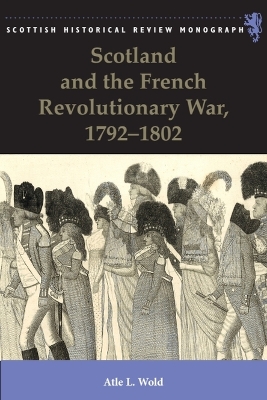
For the British government's supporters in Scotland in the 1790s, one thing was paramount: they were fighting French principles in any shape or form they might take. Whether this meant defeating the influence of French revolutionary ideas in Scotland, or defeating the military menace of the French republic, they were determined to stand firm in their support of the British state.
This book charts the Scottish contribution to, both the war effort of the 1790s, and the British government's struggles to defeat political radicalism at home; lasting from the first outbreak of political disturbances in Scotland in 1792, until the French revolutionary war came to an end in 1802. In this, the Scots made their very distinct mark in terms of recruitment for armed service, demonstrations of loyalty, and prosecutions against political radicals in the law courts but, perhaps less so, in terms of their financial contributions . The government of Scotland was further integrated into the British state in a structural sense over the course of the decade, yet retained many distinctly Scottish features none the less and on the whole the 1790s comes across as a time when the Scots found little difficulty in seeing themselves as both British and Scottish.
List of Tables
vi
Acknowledgements vii
Introduction 1(6)
1 The Government of Scotland in the 1790s
7(31)
2 Political Trials
38(32)
3 Military Recruitment
70(40)
4 Financial Contributions
110(21)
5 Demonstrations of Loyalty
131(46)
6 Loyalist Ideology
177(30)
Conclusion 207(7)
Bibliography 214(14)
Index 228
Atle L. Wold is a Senior Lecturer of British Civilisation Studies at the Department of Literature, Area Studies and European Languages at the University of Oslo. His main research interest has been privateering and diplomacy in the French Revolutionary and Napoleonic wars period.