Muutke küpsiste eelistusi

E-raamat: Sociological Perspective on Blood Plasma Donation During the Pandemic: Convalescent Gifts and Liminality

  • Formaat - PDF+DRM
  • Hind: 28,59 €*
  • * hind on lõplik, st. muud allahindlused enam ei rakendu
  • Lisa ostukorvi
  • Lisa soovinimekirja
  • See e-raamat on mõeldud ainult isiklikuks kasutamiseks. E-raamatuid ei saa tagastada.

DRM piirangud

  • Kopeerimine (copy/paste):

    ei ole lubatud

  • Printimine:

    ei ole lubatud

  • Kasutamine:

    Digitaalõiguste kaitse (DRM)
    Kirjastus on väljastanud selle e-raamatu krüpteeritud kujul, mis tähendab, et selle lugemiseks peate installeerima spetsiaalse tarkvara. Samuti peate looma endale  Adobe ID Rohkem infot siin. E-raamatut saab lugeda 1 kasutaja ning alla laadida kuni 6'de seadmesse (kõik autoriseeritud sama Adobe ID-ga).

    Vajalik tarkvara
    Mobiilsetes seadmetes (telefon või tahvelarvuti) lugemiseks peate installeerima selle tasuta rakenduse: PocketBook Reader (iOS / Android)

    PC või Mac seadmes lugemiseks peate installima Adobe Digital Editionsi (Seeon tasuta rakendus spetsiaalselt e-raamatute lugemiseks. Seda ei tohi segamini ajada Adober Reader'iga, mis tõenäoliselt on juba teie arvutisse installeeritud )

    Seda e-raamatut ei saa lugeda Amazon Kindle's. 

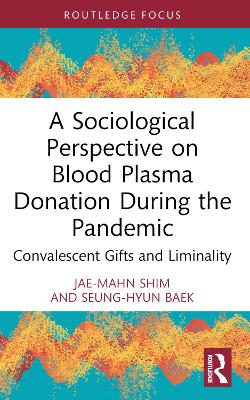
Shim and Baek examine the evolving existential meanings of gift-making by interviewing donors of convalescent blood plasma during the Covid-19 pandemic.


Shim and Baek examine the evolving existential meanings of gift-making by interviewing donors of convalescent blood plasma during the Covid-19 pandemic.

The book reveals what plasma donation means for their efforts to reassemble their lives from being liminal moments to livable experiences, through interviews with convalescent donors in South Korea. It shows it is the very multiplex meanings of plasma donations that enabled people to effectively maneuver through the challenging liminality in life during COVID-19, by expanding the existing literature of gifts and donation that highlights the rich, complex meanings of the body parts donated. It presents a vivid dialogue between liminality and gift-making from varied narratives.

A vital read for scholars, students of sociology, anthropology, and public health and those interested in how subjects reconstitute their agency amid uncertainty inside and outside the pandemic, so that we appreciate the voices of donors and learn from the lived experiences of those in this book.

Arvustused

This book is an important contribution to the sociological study of pandemics and life-saving bodily donations as well as medical uncertainty and even human uncertainty more generally. It also has the distinctive merit of bringing new questions and new theoretical insights to research on liminality, gifts, and the relation between them. This book convincingly highlights processual, time-related, and intertwined dynamics of illness, liminality, and gifts, which we can only hope will inspire similar explorations of various types of life-saving donations in other national contexts and possibly enrich research on gift-giving in other spheres of social life. (Ilana F. Silber, Professor of Anthropology and Sociology at Bar-Ilan University, Israel; Coeditor-in-chief of the journal MAUSS International)

This book offers an incredible opportunity to examine classical sociological theory in the context of the pandemic. It provides invaluable insights for those who recognize the potential of future global-scale infectious diseases. It is also a perfect example of how qualitative research can significantly enhance our understanding of the human experience during the interruption of everyday life caused by COVID-19. The authors successfully demonstrate the immense power of semantic theory construction through cultural interpretation, contextualization, and capturing multiple dimensions of lived experience, ultimately revealing the dynamic and emergent nature of social reality. With its insightful analysis and practical advice, readers will be empowered to take control of their lives and make a positive impact on the world. (Jaeyeol Yee, Professor of Sociology at Seoul National University, S. Korea)

Introduction

1. Ways of Liminality

2. Turning Liminal

3. Plasma Donations

4. Life Reassembled

Conclusion
Jae-Mahn Shim is Professor of Sociology at Korea University.

Seung-Hyun Baek is a Chief of the Resource Mobilization & Public Relations Center at the Korean National Commission for UNESCO.