Muutke küpsiste eelistusi

E-raamat: Storytelling in Hindi Cinema: Doubles, Deception, and Discovery

(The Open University, UK)
  • Formaat: 360 pages
  • Sari: South Asian Screen Studies
  • Ilmumisaeg: 22-Jan-2026
  • Kirjastus: Bloomsbury Academic
  • Keel: eng
  • ISBN-13: 9781350473300
  • Formaat - EPUB+DRM
  • Hind: 99,45 €*
  • * hind on lõplik, st. muud allahindlused enam ei rakendu
  • Lisa ostukorvi
  • Lisa soovinimekirja
  • See e-raamat on mõeldud ainult isiklikuks kasutamiseks. E-raamatuid ei saa tagastada.
  • Formaat: 360 pages
  • Sari: South Asian Screen Studies
  • Ilmumisaeg: 22-Jan-2026
  • Kirjastus: Bloomsbury Academic
  • Keel: eng
  • ISBN-13: 9781350473300

DRM piirangud

  • Kopeerimine (copy/paste):

    ei ole lubatud

  • Printimine:

    ei ole lubatud

  • Kasutamine:

    Digitaalõiguste kaitse (DRM)
    Kirjastus on väljastanud selle e-raamatu krüpteeritud kujul, mis tähendab, et selle lugemiseks peate installeerima spetsiaalse tarkvara. Samuti peate looma endale  Adobe ID Rohkem infot siin. E-raamatut saab lugeda 1 kasutaja ning alla laadida kuni 6'de seadmesse (kõik autoriseeritud sama Adobe ID-ga).

    Vajalik tarkvara
    Mobiilsetes seadmetes (telefon või tahvelarvuti) lugemiseks peate installeerima selle tasuta rakenduse: PocketBook Reader (iOS / Android)

    PC või Mac seadmes lugemiseks peate installima Adobe Digital Editionsi (Seeon tasuta rakendus spetsiaalselt e-raamatute lugemiseks. Seda ei tohi segamini ajada Adober Reader'iga, mis tõenäoliselt on juba teie arvutisse installeeritud )

    Seda e-raamatut ei saa lugeda Amazon Kindle's. 
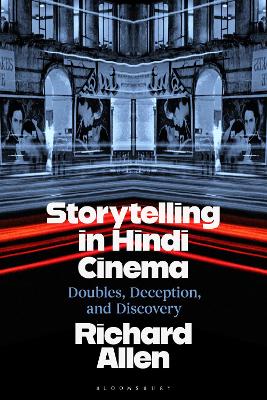
From physical duplicates to role reversals and sexual masquerades, Storytelling in Hindi Cinema provides a comprehensive overview of Hindi films centered around the figure of the double.Richard Allen dissects the cultural significance of these double-themed plots, considering how they reflect questions of social mobility, the expression of desire, social justice, and national identity in the post-colonial period. He considers the wide array of influences that shape the genre, from Sanskrit Kathasaritsagara story-telling traditions, folk Nautanki theatres, and Tales of the Arabian Nights to colonial and post-colonial roots from Shakespeare to Hollywood melodrama. He asserts the influence of Bengali cinema, particularly of filmmaker Hrishikesh Mukherjee, and South Indian films like Hello Brother (1994) in providing diverse perspectives that enrich these narratives.Examining a broad range of films, from 1947 to present, including Mahal (1949), Madhumati (1958), Chupke Chupke (1975), Angoor (1982), Banjaran (1991), Kal Ho Na Ho (2003) and Dostana (2008), Allen traces the evolution of the trope, even incorporating transgressive narratives like cross-dressing and gender disguise. In doing so, he highlights how these cinematic motifs navigate the complexities of traditional worldviews and modern experiences.