Muutke küpsiste eelistusi

E-raamat: Street, Palace, Square: The Architecture of Democratic Spaces

  • Formaat: EPUB+DRM
  • Ilmumisaeg: 07-May-2026
  • Kirjastus: Allen Lane
  • Keel: eng
  • ISBN-13: 9780241382950
  • Formaat - EPUB+DRM
  • Hind: 14,99 €*
  • * hind on lõplik, st. muud allahindlused enam ei rakendu
  • Lisa ostukorvi
  • Lisa soovinimekirja
  • See e-raamat on mõeldud ainult isiklikuks kasutamiseks. E-raamatuid ei saa tagastada.
  • Formaat: EPUB+DRM
  • Ilmumisaeg: 07-May-2026
  • Kirjastus: Allen Lane
  • Keel: eng
  • ISBN-13: 9780241382950

DRM piirangud

  • Kopeerimine (copy/paste):

    ei ole lubatud

  • Printimine:

    ei ole lubatud

  • Kasutamine:

    Digitaalõiguste kaitse (DRM)
    Kirjastus on väljastanud selle e-raamatu krüpteeritud kujul, mis tähendab, et selle lugemiseks peate installeerima spetsiaalse tarkvara. Samuti peate looma endale  Adobe ID Rohkem infot siin. E-raamatut saab lugeda 1 kasutaja ning alla laadida kuni 6'de seadmesse (kõik autoriseeritud sama Adobe ID-ga).

    Vajalik tarkvara
    Mobiilsetes seadmetes (telefon või tahvelarvuti) lugemiseks peate installeerima selle tasuta rakenduse: PocketBook Reader (iOS / Android)

    PC või Mac seadmes lugemiseks peate installima Adobe Digital Editionsi (Seeon tasuta rakendus spetsiaalselt e-raamatute lugemiseks. Seda ei tohi segamini ajada Adober Reader'iga, mis tõenäoliselt on juba teie arvutisse installeeritud )

    Seda e-raamatut ei saa lugeda Amazon Kindle's. 
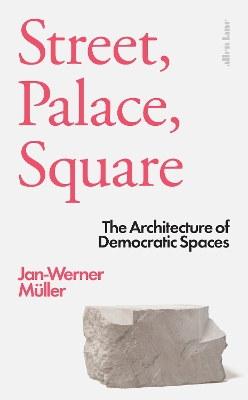
Can architecture ever be democratic? An elegant, timely new theory of politics and urban design from the acclaimed author of What is Populism? and Democracy Rules


Building requires power and resources then, once created, our environment structures how we relate to each other. But what would a distinctly democratic built environment look like? Should we prioritize an inclusive process by which as many citizens as possible can decide how a building is designed? Or is it about how architecture and urban spaces can best represent democracy to citizens and how building and city planning can concretely facilitate democratic action by citizens? In Street, Palace, Square, political theorist Jan-Werner Müller offers an elegant new account of architecture and democracy that draws on examples from Washington DC to Dhaka, Cairo to Berlin. Ranging widely across political philosophy, history and design, he shows that bringing architecture and democracy together has an unexpected benefit. As we reflect on spaces and symbols on the one hand and our understandings of democracy on the other, we might see possibilities we did not see before: how to create spaces for citizens to make politics their own.
Jan-Werner Müller is Professor of Politics at Princeton University and the author most recently of the critically acclaimed What Is Populism? and Democracy Rules. He contributes regularly to the London Review of Books, The Guardian and Foreign Policy.