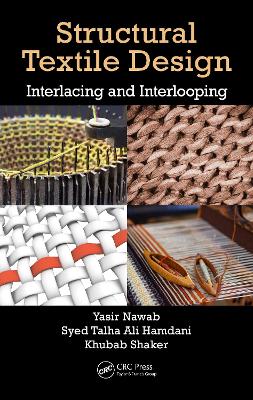
The properties of woven and knitted fabrics differ largely due to the path yarn follows in the fabric structure. This path determines the fabric’s physical properties, mechanical properties, and appearance. A slight variation to the design may result in entirely different properties for the fabric. Structural Textile Design provides detailed insight on different types of designs used for the production of woven and knitted fabrics, highlighting the effect design has on a fabric’s properties and applications. With focus on the techniques used to draw designs and produce them on weaving and knitting machines, this book will be of great interest to textile engineers, professionals and graduate students in textile technology and manufacturing.
Arvustused
"This reference compliments another by the same publisher. There is overlap, but the focus here is on techniques to and implement designs on weaving and knitting machines, producing fabrics with properties suited to specific end uses. How CAD can benefit the design and the implementation processes is covered, allowing for shorter development time and analysis of virtual prototypes, the objective being to test cost, functionality and quality. References are included throughout. Overall, a worthwhile book for textile engineers and students in textile technology and manufacturing." Journal for Weavers, Spinners & Dyers, Winter 2017 Issue
| Preface |
|
vii | |
| Acknowledgments |
|
x | |
| Editors |
|
xi | |
| Contributors |
|
xiii | |
|
|
|
1 | (12) |
|
|
|
2 CAD for Textile Fabrics |
|
|
13 | (18) |
|
|
|
|
|
Section I Woven Fabric Structures |
|
|
|
3 Introduction to Weaving |
|
|
31 | (16) |
|
|
|
4 Conventional Woven Structures |
|
|
47 | (38) |
|
|
|
|
|
5 Specialty Fabric Structures |
|
|
85 | (38) |
|
|
|
6 Textile Structures for Jacquard Weaving |
|
|
123 | (14) |
|
|
|
|
|
|
|
137 | (48) |
|
|
|
|
|
Section II Knitted Fabric Structures |
|
|
|
8 Introduction to Knitting |
|
|
185 | (12) |
|
|
|
9 Patterning in Weft Knitting |
|
|
197 | (34) |
|
|
|
10 Patterning in Warp Knitting |
|
|
231 | (34) |
|
|
|
|
|
11 Color and Stitch Effect |
|
|
265 | (6) |
|
|
| Index |
|
271 | |
Yasir Nawab is an Assistant Professor at the National Textile University, Faisalabad, Pakistan. His research areas are polymers, composite materials, 2D and 3D woven and knitted fabrics, finite element analysis and analytical modeling.
Syed Talha Ali Hamdani is an Assistant Professor at National Textile University, Faisalabad, Pakistan. Recently, he won the HEC start-up grant for the development of non-woven sensor.
Khubab Shaker is Lecturer of weaving at the National Textile University, Faisalabad, Pakistan. He completed his Masters in Textile Engineering in 2014. Currently, he is enrolled as a PhD scholar.

 Lisainfo e-raamatute kohta