Muutke küpsiste eelistusi
  • Formaat - EPUB+DRM
  • Hind: 58,49 €*
  • * hind on lõplik, st. muud allahindlused enam ei rakendu
  • Lisa ostukorvi
  • Lisa soovinimekirja
  • See e-raamat on mõeldud ainult isiklikuks kasutamiseks. E-raamatuid ei saa tagastada.

DRM piirangud

  • Kopeerimine (copy/paste):

    ei ole lubatud

  • Printimine:

    ei ole lubatud

  • Kasutamine:

    Digitaalõiguste kaitse (DRM)
    Kirjastus on väljastanud selle e-raamatu krüpteeritud kujul, mis tähendab, et selle lugemiseks peate installeerima spetsiaalse tarkvara. Samuti peate looma endale  Adobe ID Rohkem infot siin. E-raamatut saab lugeda 1 kasutaja ning alla laadida kuni 6'de seadmesse (kõik autoriseeritud sama Adobe ID-ga).

    Vajalik tarkvara
    Mobiilsetes seadmetes (telefon või tahvelarvuti) lugemiseks peate installeerima selle tasuta rakenduse: PocketBook Reader (iOS / Android)

    PC või Mac seadmes lugemiseks peate installima Adobe Digital Editionsi (Seeon tasuta rakendus spetsiaalselt e-raamatute lugemiseks. Seda ei tohi segamini ajada Adober Reader'iga, mis tõenäoliselt on juba teie arvutisse installeeritud )

    Seda e-raamatut ei saa lugeda Amazon Kindle's. 

The book analyses the ongoing attempts to balance state equality, measures adopted by new institutions to secure comprehensive representation, and ends by looking to the future of state sovereignty in an increasingly globalised world.


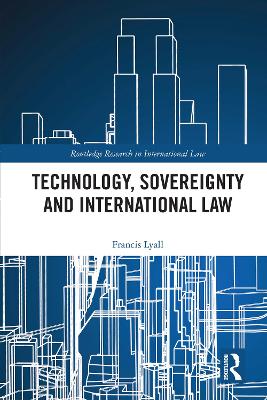
The dogma of the sovereignty of the state, deriving from the Peace of Westphalia, underpins much of the modern-day international system. However, developments in recent technology have led this ideology to depart from reality. Viewing state sovereignty through the prism of public international law, the book will begin with an overview of the settlement of Westphalia, how it has influenced international documents ever since, and how the advantages of centralised decisions came to be perceived. By surveying the Law of the Sea, Maritime Law, Air and Aviation, Telecommunications, Postal Services, Space Law and Mensuration, the book demonstrates how, in each, the interplay between state sovereignty and developing technologies have caused significant legal change. Some changes, Lyall argues, such as international measures of time and geography, have been born out of convenience, facilitated by technology developed for the purpose. Other areas of change developed out of a desire to reconcile conflicts or harmonise necessary state regulation. The book analyses the reasons behind these changes and discusses the ongoing attempts to balance state equality, measures adopted by new institutions to secure comprehensive representation. It ends by looking to the future of state sovereignty in an increasingly globalised world. The book is of use to any student or scholar interested in policy making, international law and international affairs, both legal and scientific, as well as those looking at legal administrative issues and government officiation.

Preface

Abbreviations

1. Sovereignty and Global Governance

2. The Law of the Sea

3. International Maritime Law and the International Maritime Organisation

4. The Law of the Air and the International Civil Aviation Organisation

5. International Telecommunications and the International Telecommunication Union

6. International Postal Services and the Universal Postal Union

7. International Space Law

8. Standards and Mensuration

9. Concluding Observations

Index
Francis Lyall is Emeritus Professor of Public Law, University of Aberdeen