Muutke küpsiste eelistusi

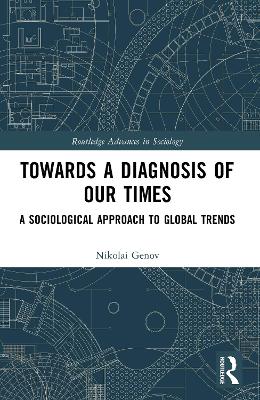
E-raamat: Towards a Diagnosis of Our Times: A Sociological Approach to Global Trends

Teised raamatud teemal:
  • Formaat - EPUB+DRM
  • Hind: 59,79 €*
  • * hind on lõplik, st. muud allahindlused enam ei rakendu
  • Lisa ostukorvi
  • Lisa soovinimekirja
  • See e-raamat on mõeldud ainult isiklikuks kasutamiseks. E-raamatuid ei saa tagastada.
  • Raamatukogudele
Teised raamatud teemal:

DRM piirangud

  • Kopeerimine (copy/paste):

    ei ole lubatud

  • Printimine:

    ei ole lubatud

  • Kasutamine:

    Digitaalõiguste kaitse (DRM)
    Kirjastus on väljastanud selle e-raamatu krüpteeritud kujul, mis tähendab, et selle lugemiseks peate installeerima spetsiaalse tarkvara. Samuti peate looma endale  Adobe ID Rohkem infot siin. E-raamatut saab lugeda 1 kasutaja ning alla laadida kuni 6'de seadmesse (kõik autoriseeritud sama Adobe ID-ga).

    Vajalik tarkvara
    Mobiilsetes seadmetes (telefon või tahvelarvuti) lugemiseks peate installeerima selle tasuta rakenduse: PocketBook Reader (iOS / Android)

    PC või Mac seadmes lugemiseks peate installima Adobe Digital Editionsi (Seeon tasuta rakendus spetsiaalselt e-raamatute lugemiseks. Seda ei tohi segamini ajada Adober Reader'iga, mis tõenäoliselt on juba teie arvutisse installeeritud )

    Seda e-raamatut ei saa lugeda Amazon Kindle's. 

This book offers a diagnosis of the current epoch marked by globalization, de-globalization and re-globalization. The author shows how Constructivist ideas reveal four new conceptualisations of global trends: upgrading the rationality of organizations, individualization, spread of instrumental activism and homogenization of culture (RISC).


This monograph offers a critical diagnosis of the current epoch marked by globalization, de-globalization and re-globalization. Arguing that the concept of society gives way to that of globalization as an explanatory core, the author shows how Constructivist ideas open the way to four new conceptualisations of global trends: upgrading the rationality of organizations, individualization, spread of instrumental activism and homogenization of culture (RISC).

Each trend is presented by two explanatory models. The trend of upgrading rationality of organizations is exemplified by analyses of the volatile rationality of industrial organization and the tensions of regional integration. Individualization is dealt with by comparing the development and impact of leaders in Asia and the individualization in present-day war. Commercialization together with consumerism is analysed as a component of the global trend of instrumental activism. The homogenization of culture is dealt with through discussions on the dynamic relations of values and norms and the controversial development of social science knowledge. The creative approach to global processes is finalized in a discussion on tensions and conflicts in each trend and in their interplay. As such, it develops a new analytical framework while identifying action fields and activities which reproduce stability and change in contemporary global society.

The intellectually refreshing, critical and constructive ideas of this volume will attract researchers, lecturers and upper-level students with interests in sociological theory, globalization, the sociology of culture, and the challenges facing contemporary civilization more broadly.

Introduction
1. Conceptualizing Global Trends Part One: Upgrading the
Rationality of Organizations
2. Volatile Rationality of Industrial
Organizations
3. Decomposing Rationalities and Irrationalities in the
Management of the Eurozone Crisis Part Two: Individualization
4. Strong
Individualization in Managing Asian Societal Transformations
5.
Individualization in Collectivist War Part Three: Spread of Instrumental
Activism
6. Commercialization: A Hatch in the Sociological Diagnosis of Our
Times
7. The Ponzi Scheme: Controversies of Modern Consumerism Part Four:
Homogenization of Culture
8. Bridging Values and Norms: Drug Disorders
Management
9. Homogenization of Knowledge: Challenges to Sociology Conclusion
10. Concepts of Global Trends as Analytical Tools
Nikolai Genov is Professor Emeritus at the Freie Universität Berlin, Germany. He is the author of 380 scientific publications in 29 countries.