Muutke küpsiste eelistusi

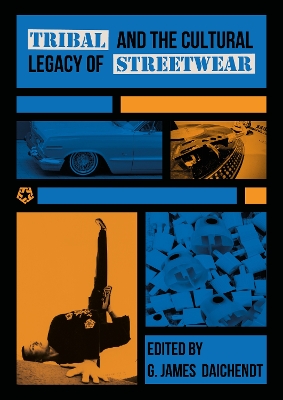
E-raamat: Tribal and the Cultural Legacy of Streetwear

Edited by (Point Loma Nazarene University)
  • Formaat: PDF+DRM
  • Ilmumisaeg: 12-Mar-2024
  • Kirjastus: Intellect Books
  • Keel: eng
  • ISBN-13: 9781789388091
  • Formaat - PDF+DRM
  • Hind: 23,34 €*
  • * hind on lõplik, st. muud allahindlused enam ei rakendu
  • Lisa ostukorvi
  • Lisa soovinimekirja
  • See e-raamat on mõeldud ainult isiklikuks kasutamiseks. E-raamatuid ei saa tagastada.
  • Formaat: PDF+DRM
  • Ilmumisaeg: 12-Mar-2024
  • Kirjastus: Intellect Books
  • Keel: eng
  • ISBN-13: 9781789388091

DRM piirangud

  • Kopeerimine (copy/paste):

    ei ole lubatud

  • Printimine:

    ei ole lubatud

  • Kasutamine:

    Digitaalõiguste kaitse (DRM)
    Kirjastus on väljastanud selle e-raamatu krüpteeritud kujul, mis tähendab, et selle lugemiseks peate installeerima spetsiaalse tarkvara. Samuti peate looma endale  Adobe ID Rohkem infot siin. E-raamatut saab lugeda 1 kasutaja ning alla laadida kuni 6'de seadmesse (kõik autoriseeritud sama Adobe ID-ga).

    Vajalik tarkvara
    Mobiilsetes seadmetes (telefon või tahvelarvuti) lugemiseks peate installeerima selle tasuta rakenduse: PocketBook Reader (iOS / Android)

    PC või Mac seadmes lugemiseks peate installima Adobe Digital Editionsi (Seeon tasuta rakendus spetsiaalselt e-raamatute lugemiseks. Seda ei tohi segamini ajada Adober Reader'iga, mis tõenäoliselt on juba teie arvutisse installeeritud )

    Seda e-raamatut ei saa lugeda Amazon Kindle's. 

Tribal Streetwear is lifestyle streetwear brand that seeks to represent a variety of southern California sub-cultures that includes graffiti, street art, skateboarding, surfing, tattoos, hip hop, breakdancing, punk, lowriders, and custom culture. Based in San Diego, California, Tribal has strong Chicano roots in its aesthetic and spans the globe with retail stores on several continents.


The text presents a series of articles, essays, and personal reflections that explore the various dimensions of Tribal Streetwear, and how the impact of their designs continues to balance the precarious act of being relevant and responsible with their resources.


The book is divided into four sections.


Section 1 features essays that set a context for the text. This includes a history of Tribal and where it fits within the history of streetwear, a personal narrative of the founding of Tribal, and lastly an essay on the uniqueness of southern California aesthetics and the fascination with this southern California inspired fashion.


Section 2 is a series of interviews with notable artists, musicians, and cultural tastemakers that have contributed toward street culture and Tribal. These include Mr. Cartoon (tattoo artist), RISK (graffiti artist), PERSUE (street artists), Mike Giant (tattoo artist), Dyse One (graffiti artist), Craig Craig Stecyk III (skateboard culture), Bob Hurley (surf culture), and the Beastie Boys (hip hop).


Section 3 includes a series of invited and peer-reviewed academic articles on distinct subjects within the street culture genre that further dive into the inputs and influences of Tribal Streetwear. They include breakdancing, surfing, skateboarding, graffiti, street art, tattooing, music (hip-hop/punk), lowriders, custom culture, and Chicano Studies.


Section 4 is a series of photo essays that capture the three decades of Tribal Streetwear and serves as a visual history of the brand and the evolution of its graphics. 


Arvustused

'Tribal and the Cultural Legacy of Streetwear is a deeply insightful exploration of streetwear as a cultural phenomenon that has left an indelible mark on fashion, art and society. Meticulously edited by G. James Daichendt, the book offers a comprehensive examination of the evolution, impact and future of streetwear, making it an essential read for anyone interested in understanding this dynamic and influential movement. The book must be praised for its in-depth exploration of streetwear as a significant cultural movement, emphasizing its impact on fashion, art and society. The analysis of each chapter highlights the books strengths in offering both historical context and forward-thinking perspectives. It is important to acknowledge the books broad scope, positioning it not merely as a fashion history but as a critical examination of a cultural phenomenon that has shaped and been shaped by various societal forces...


Tribal and the Cultural Legacy of Streetwear is a masterful exploration of a movement that has transformed not just fashion but also the broader cultural landscape. Each chapter offers deep insights and thought-provoking discussions, making the book not only informative but also profoundly inspirational. It challenges readers to think critically about the clothes they wear and the cultural communities they engage with, leaving them with a richer understanding of the power and potential of streetwear.' -- Dirk Reynders, Fashion, Style & Popular Culture

Acknowledgments


Preface


Section 1: Introduction to Tribal Streetwear


The Legacy of Tribal Streetwear

James Daichendt


Section 2: Streetwear and its Histories


Whats in a Name: Baseball Caps and Identity in American Culture

Clayton Funk


La Voz de la Calle (The Voice of the Street)

Marvin R. Milian


How Graffiti and Street Art Styles, Images, and Iconography Impacted the
Designs that Tribal Streetwear Uses on Their Clothing and Accessories

Jeffrey Ian Ross


Section 3: Tribal and Its Tattoo Roots


Representation of World: An Ontological Exploration of Tattoos and Self

Rachel Daichendt


A Brief Look at Southern California Tattoo Culture and History

Evan Senn


Section 4: Tribalism and Identity


Tribal Streetwear Will Be the First Aesthetic Ethnicity for the Digital
Metaverse

Chumahan Bowen


A Tribe Laud West: Hip Hop and Its Influence on Tribal Gear and a New Chicano
Generation

Monique Charles


Section 5: Surf and Skate


Surfing Together, Surfing Alone: Surf Tribes and Tribalism in Southern
California during the Twentieth Century

Ben Cater


Street, Punk, Desert, Life: Four Stories of Tribal Streetwear and Skate
Culture

James Wicks


Section 6: Lowriders and Culture Making


La Locura Cura: Lowriders, Chicanismo, and Bobby Tribal

Denise M. Sandoval


Bouncing Across Borders: The Globalization of Lowriding

John Ulloa


Section 7: Personal Histories


Everyone Belongs to a Tribe

Luis Saldaña


A Personal Account of Tribal and Tattooing

Michael Tank Gonzales


Tribal Streetwear: A Personal History

Bobby Ruiz


Notes on Contributors


G. James Daichendt is an art critic, curator, and art historian that serves as Vice-Provost, Dean of the Colleges, and Professor of Art History at Point Loma Nazarene University in San Diego, CA. Jim is the founding editor of the academic journal, Visual Inquiry: Learning and Teaching Art and author of several books He most recently co-curated Street Legacy: SoCal Style Masters at the California Center for Arts Museum (2022) and Sidewalk Activism at the Oceanside Museum of Art (2020). Jim is the recipient of a 2021 Lifetime Achievement award from the Office of the President of the United States for his service to the arts community and holds two masters degrees and a doctorate from Harvard, Boston, and Columbia universities.