Muutke küpsiste eelistusi

E-raamat: Twilight of Idols and Anti-Christ

Introduction by , , Translated by
  • Formaat: EPUB+DRM
  • Ilmumisaeg: 25-Jan-1990
  • Kirjastus: Penguin Classics
  • Keel: eng
  • ISBN-13: 9780141904290
Teised raamatud teemal:
  • Formaat - EPUB+DRM
  • Hind: 8,49 €*
  • * hind on lõplik, st. muud allahindlused enam ei rakendu
  • Lisa ostukorvi
  • Lisa soovinimekirja
  • See e-raamat on mõeldud ainult isiklikuks kasutamiseks. E-raamatuid ei saa tagastada.
  • Formaat: EPUB+DRM
  • Ilmumisaeg: 25-Jan-1990
  • Kirjastus: Penguin Classics
  • Keel: eng
  • ISBN-13: 9780141904290
Teised raamatud teemal:

DRM piirangud

  • Kopeerimine (copy/paste):

    ei ole lubatud

  • Printimine:

    ei ole lubatud

  • Kasutamine:

    Digitaalõiguste kaitse (DRM)
    Kirjastus on väljastanud selle e-raamatu krüpteeritud kujul, mis tähendab, et selle lugemiseks peate installeerima spetsiaalse tarkvara. Samuti peate looma endale  Adobe ID Rohkem infot siin. E-raamatut saab lugeda 1 kasutaja ning alla laadida kuni 6'de seadmesse (kõik autoriseeritud sama Adobe ID-ga).

    Vajalik tarkvara
    Mobiilsetes seadmetes (telefon või tahvelarvuti) lugemiseks peate installeerima selle tasuta rakenduse: PocketBook Reader (iOS / Android)

    PC või Mac seadmes lugemiseks peate installima Adobe Digital Editionsi (Seeon tasuta rakendus spetsiaalselt e-raamatute lugemiseks. Seda ei tohi segamini ajada Adober Reader'iga, mis tõenäoliselt on juba teie arvutisse installeeritud )

    Seda e-raamatut ei saa lugeda Amazon Kindle's. 
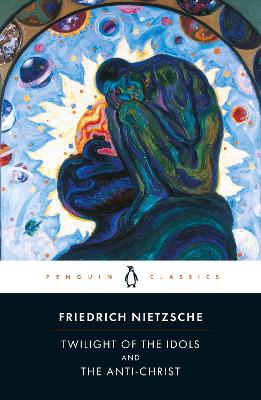
Twilight of the Idols, 'a grand declaration of war' on all the prevalent ideas of Nietzsche's time, offers a lightning tour of his whole philosophy. It also prepares the way for The Anti-Christ, a final assault on institutional Christianity. Yet although Nietzsche makes a compelling case for the 'Dionysian' artist and celebrates magnificently two of his great heroes, Goethe and Cesare Borgia, he also gives a moving, almost ecstatic portrait of his only worthy opponent: Christ. Both works show Nietzsche lashing out at self-deception, astounded at how often morality is based on vengefulness and resentment. Both combine utterly unfair attacks on individuals with amazingly acute surveys of the whole contemporary cultural scene. Both reveal a profound understanding of human mean-spiritedness which still cannot destroy the underlying optimism of Nietzsche, the supreme affirmer among the great philosophers.
Twilight of the Idols/The Anti-Christ Introduction
Translator's Note
Twilight of the Idols, or How to Philosophize with a Hammer
Foreword
Maxims and Arrows
The Problems of Socrates
"Reason" in Philosophy
How the "Real World" at last Became a Myth
Morality as Anti-Nature
The Four Great Errors
The "Improvers" of Mankind
What the Germans Lack
Expeditions of an Untimely Man
What I Owe to the Ancients
The Hammer Speaks
The Anti-Christ
Foreword
The Anti-Christ
Glossary of Names
Frederich Nietzsche was born in Leipzig in 1844, the son of a Lutheran clergyman. At the age of twenty-four he became the chair of classical philology at Basel University until his bad health forced him to retire in 1879. He divorced himself from society until his final collapse in 1899 when he became insane. He died in 1900. M. Tanner is Lecturer in Philosophy at Cambridge. R.J. Hollingdale has translated eleven of Nietzsche's books and published two books about him.