Muutke küpsiste eelistusi

E-raamat: United Nations and Collective Security

(Liverpool John Moores University, UK)
  • Formaat - PDF+DRM
  • Hind: 51,99 €*
  • * hind on lõplik, st. muud allahindlused enam ei rakendu
  • See e-raamat ei ole veel ilmunud. Saate seda tellida alles alates: 02-Jun-2026
  • Lisa soovinimekirja
  • See e-raamat on mõeldud ainult isiklikuks kasutamiseks. E-raamatuid ei saa tagastada.

DRM piirangud

  • Kopeerimine (copy/paste):

    ei ole lubatud

  • Printimine:

    ei ole lubatud

  • Kasutamine:

    Digitaalõiguste kaitse (DRM)
    Kirjastus on väljastanud selle e-raamatu krüpteeritud kujul, mis tähendab, et selle lugemiseks peate installeerima spetsiaalse tarkvara. Samuti peate looma endale  Adobe ID Rohkem infot siin. E-raamatut saab lugeda 1 kasutaja ning alla laadida kuni 6'de seadmesse (kõik autoriseeritud sama Adobe ID-ga).

    Vajalik tarkvara
    Mobiilsetes seadmetes (telefon või tahvelarvuti) lugemiseks peate installeerima selle tasuta rakenduse: PocketBook Reader (iOS / Android)

    PC või Mac seadmes lugemiseks peate installima Adobe Digital Editionsi (Seeon tasuta rakendus spetsiaalselt e-raamatute lugemiseks. Seda ei tohi segamini ajada Adober Reader'iga, mis tõenäoliselt on juba teie arvutisse installeeritud )

    Seda e-raamatut ei saa lugeda Amazon Kindle's. 

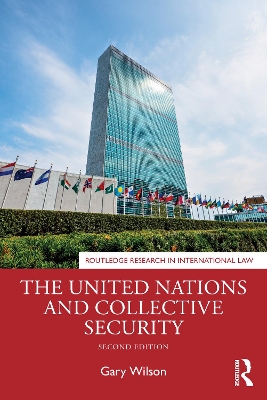
Updated throughout for its second edition, this book explores collective security as practiced within the legal framework provided by the United Nations Charter. It will be useful to researchers of international law, international relations and modern international history.


Updated throughout for its second edition, this book explores collective security as practiced within the legal framework provided by the United Nations Charter, with a particular focus upon activity undertaken under the auspices of the UN Security Council for the maintenance of international peace and security.

This new edition follows a decade of new developments in the areas covered by the first edition, both in respect of the UN’s practices under its collective security system and the wider international context within which it operates. Taking account of the Russia and Ukraine conflict and Syrian civil war, the book additionally covers debates over UNSC reform and conceptualisations of the collective security concept. Offering a comprehensive analysis, it considers the full range of measures which can be utilised by the UN in the performance of its collective security remit including military enforcement action, peacekeeping, non-military sanctions and diplomacy. The book considers each of these measures in detail, assessing the legal framework applicable to the form of action, the main legal controversies which arise in respect of their appropriate utilisation, and the UN’s use of this collective security ‘tool’ in practice. The book draws conclusions about the main strengths and shortcomings of the various means through which the UN can attempt to prevent, minimise or end conflict.

The book will be of interest to researchers in the fields of international law, international relations, and modern international history.

Introduction

1. The Concept of Collective Security

2. The UN Charters System of Collective Security

3. A Brief Overview of the UN Era

4. Diplomatic Responses to Security Threats

5. The Use of Non-Military Sanctions

6. Peacekeeping

7. Military Enforcement Action

8. Regional Arrangements and the UN Collective Security System

Conclusion
Gary Wilson is Principal Lecturer and Undergraduate Programme Leader at Liverpool John Moores University. His main research interests centre on the UN collective security system, the use of force in international law, self-determination and constitutional reform. He has published widely in these areas, and in addition to the first edition of The United Nations and Collective Security, he is the author of Constitutional Reform and Brexit, also published by Routledge. Gary is also editor-in-chief of the peer-reviewed journal Liverpool Law Review.