Muutke küpsiste eelistusi
  • Formaat - EPUB+DRM
  • Hind: 53,29 €*
  • * hind on lõplik, st. muud allahindlused enam ei rakendu
  • Lisa ostukorvi
  • Lisa soovinimekirja
  • See e-raamat on mõeldud ainult isiklikuks kasutamiseks. E-raamatuid ei saa tagastada.

DRM piirangud

  • Kopeerimine (copy/paste):

    ei ole lubatud

  • Printimine:

    ei ole lubatud

  • Kasutamine:

    Digitaalõiguste kaitse (DRM)
    Kirjastus on väljastanud selle e-raamatu krüpteeritud kujul, mis tähendab, et selle lugemiseks peate installeerima spetsiaalse tarkvara. Samuti peate looma endale  Adobe ID Rohkem infot siin. E-raamatut saab lugeda 1 kasutaja ning alla laadida kuni 6'de seadmesse (kõik autoriseeritud sama Adobe ID-ga).

    Vajalik tarkvara
    Mobiilsetes seadmetes (telefon või tahvelarvuti) lugemiseks peate installeerima selle tasuta rakenduse: PocketBook Reader (iOS / Android)

    PC või Mac seadmes lugemiseks peate installima Adobe Digital Editionsi (Seeon tasuta rakendus spetsiaalselt e-raamatute lugemiseks. Seda ei tohi segamini ajada Adober Reader'iga, mis tõenäoliselt on juba teie arvutisse installeeritud )

    Seda e-raamatut ei saa lugeda Amazon Kindle's. 
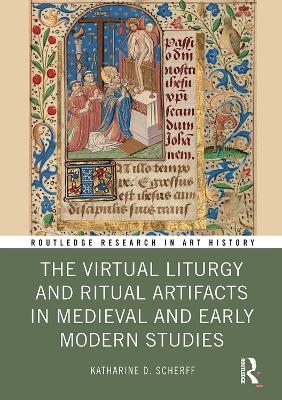
Examining the history of altar decorations, this study of the visual liturgy grapples with many of the previous theoretical frameworks to reveal the evolution and function of these ritual objects.

Examining the history of altar decorations, this study of the visual liturgy grapples with many of the previous theoretical frameworks to reveal the evolution and function of these ritual objects.

Using an interdisciplinary approach, this book uses traditional art-historical methodologies and media technology theory to reexamine ritual objects. Previous analysis has not considered the in-between nature of these objects as deliberate and virtual conduits to the divine. The liturgy, the altarpiece, the altar environment, relics, and their reliquaries are media. In a series of case studies, several objects tell a different story about culture and society in medieval Europe. In essence, they reveal that media and media technologies generate and modulate the individual and collective structure of feelings of sacredness among assemblages of humans and nonhumans.

The book will be of interest to scholars working in art history, medieval studies, early modern studies, and architectural history.

List of Figures

Acknowledgments

Introduction

1. There are No Medieval Media?

Part I

2. Media, Mediator, And Intercessor: Remembering the Loca Sancta

3. Mass Media and Liturgical Performance

Part II

4. Religious Technology and The Vièrge Ouvrante

5. Virtually There: Expounding the Tensions Between Planar and Virtual Space
Within the Ghent Altarpiece

6. Reflections

Bibliography

Index
Katharine D. Scherff is Postdoc Lecturer and teaches for the School of Art and the Medieval and Renaissance Studies Center at Texas Tech University.