This title includes a number of Open Access chapters.
The number of tight oil and shale gas wells continues to rise primarily in the US, but also worldwide. The US has vast reserves of oil and natural gas, which now are commercially reachable as a result of advances in horizontal drilling and hydraulic fracturing technologies. But as hydraulic fracturing is increasingly used, concerns have been raised about potential stress on surface water and groundwater supplies from the withdrawal of water used in the process. Equally important is the growing volume of wastewater generated from hydraulically fractured oil and gas wells, requiring recycling, treatment, and disposal.
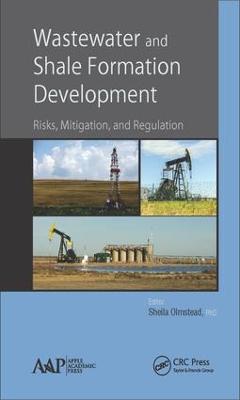
Wastewater and Shale Formation Development: Risks, Mitigation, and Regulation examines four major issues, taking a scientific look from different perspectives at water use in shale gas development, potential environmental effects of wastewater from fracking, how to mitigate potential risks associated with wastewater from shale development, and regulatory approaches to the wastewater management problem
With chapters from researchers in the field, this compendium volume sheds light on the important issues and challenges surrounding natural gas extraction using hydraulic fracturing and may be of interest to researchers and public policymakers alike.
Introduction. Part I: Water Use and Wastewater Production in Shale Gas Development. Part 2: Potential Environmental Effects of Fracking Wastewater. Part 3: The Quest for Mitigation. Part 4: Fracking Wastewater Regulations. Index.
Sheila Olmstead, PhD, joined the LBJ School as an associate professor of public affairs in 2013. Before joining the LBJ School, Olmstead was a Fellow (2010-2013) and Senior Fellow (2013) at Resources for the Future in Washington, DC, as well as an assistant professor of environmental economics at the Yale University School of Forestry and Environmental Studies (20022007) and an associate professor (20072010), where she was the recipient of three teaching awards. Dr. Olmstead is an environmental economist whose current research projects examine the environmental externalities associated with shale gas development in the United States, regulatory avoidance under the U.S. Safe Drinking Water Act, the influence of federal fire suppression policy on land development in the American West, and free-riding in dam placement and water withdrawals in transboundary river basins. She has worked extensively on the economics of water resource management, focusing on water demand estimation, water conservation policy, and access to drinking water services among low-income communities. Climate and energy policy are additional topics of her research, especially with regard to the application of market-based environmental policy instruments.

 Lisainfo e-raamatute kohta