Muutke küpsiste eelistusi

E-raamat: What is Christianity?: An Introduction

Edited by , Edited by , Edited by
  • Formaat - EPUB+DRM
  • Hind: 51,99 €*
  • * hind on lõplik, st. muud allahindlused enam ei rakendu
  • See e-raamat ei ole veel ilmunud. Saate seda tellida alles alates: 04-Jun-2026
  • Lisa soovinimekirja
  • See e-raamat on mõeldud ainult isiklikuks kasutamiseks. E-raamatuid ei saa tagastada.

DRM piirangud

  • Kopeerimine (copy/paste):

    ei ole lubatud

  • Printimine:

    ei ole lubatud

  • Kasutamine:

    Digitaalõiguste kaitse (DRM)
    Kirjastus on väljastanud selle e-raamatu krüpteeritud kujul, mis tähendab, et selle lugemiseks peate installeerima spetsiaalse tarkvara. Samuti peate looma endale  Adobe ID Rohkem infot siin. E-raamatut saab lugeda 1 kasutaja ning alla laadida kuni 6'de seadmesse (kõik autoriseeritud sama Adobe ID-ga).

    Vajalik tarkvara
    Mobiilsetes seadmetes (telefon või tahvelarvuti) lugemiseks peate installeerima selle tasuta rakenduse: PocketBook Reader (iOS / Android)

    PC või Mac seadmes lugemiseks peate installima Adobe Digital Editionsi (Seeon tasuta rakendus spetsiaalselt e-raamatute lugemiseks. Seda ei tohi segamini ajada Adober Reader'iga, mis tõenäoliselt on juba teie arvutisse installeeritud )

    Seda e-raamatut ei saa lugeda Amazon Kindle's. 
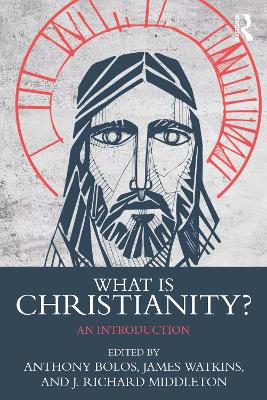
What is Christianity? brings to life the beliefs and story of Christianity. This textbook provides a thorough overview and critical assessment of core beliefs, their origin, and how adherents of the world's largest religion practice their faith. In this unique textbook, the following questions are answered from the perspectives of theologians, historians, biblical scholars, and philosophers:

  1. What are the central beliefs of Christianity?
  2. Where do these beliefs come from?
  3. What are the major challenges to Christian belief?
  4. How do these beliefs inform Christian practice?

Each chapter includes summaries, introductory reading, advanced further reading, and suggested internet resources. In addition, every contributor provides a short video lecture that expands on the themes discussed in their chapter. Together, these materials make this volume an ideal resource for students beginning their study of Christianity and Christian Theology, as well as for readers seeking a deeper understanding of the Christian intellectual and spiritual tradition.


This textbook provides a thorough overview and critical assessment of core beliefs, their origin, and how adherents of the world's largest religion practice their faith.

Each chapter includes summaries, introductory reading, advanced further reading, and suggested internet resources.

Introduction Part 1: What Do Christians Believe?
1. Creation
2.
Incarnation
3. Trinity
4. Kingdom of God Part 2: Where Do Christian Beliefs
Come from?
5. Origin and Authority of the Bible
6. Jesus and Paul
7.
Tradition and Reform
8. Nature and Culture Part 3: What are Some Challenges
to Christian Belief?
9. How Do Christians Justify Their Beliefs?
10. Is the
Problem of Evil a Defeater for Christianity?
11. Does Science Undermine
Christian Beliefs about the World? Part
4. How Do Christians Practice Their
Beliefs?
12. Loving One's Neighbor
13. The Practice of Prayer
14. The
Practice of Worship
15. The Practice of Reading the Bible
Anthony Bolos is the Director of New College Madison, an initiative of the SL Brown Foundation, where he teaches and develops programs at the intersection of philosophy and theology. His research focuses primarily on epistemology and the philosophy of religion.

James Watkins is the Associate Dean of Academic Affairs and Affiliate Professor of Theological Aesthetics at Nashotah House Theological Seminary. He has a PhD in theology from the University of St Andrews and has taught classes about Christianity to students of all ages.

J. Richard Middleton is Professor Emeritus of Biblical Worldview and Exegesis at Northeastern Seminary and currently serves as a Fellow of Every Voice for Kingdom Diversity and a Scholar with Global Scholars Canada. His research area is Old Testament theology with a focus on creation, suffering, and the ethics of power.