Muutke küpsiste eelistusi

E-raamat: Wildcat of the Streets: Detroit in the Age of Community Policing

  • Formaat - EPUB+DRM
  • Hind: 67,92 €*
  • * hind on lõplik, st. muud allahindlused enam ei rakendu
  • Lisa ostukorvi
  • Lisa soovinimekirja
  • See e-raamat on mõeldud ainult isiklikuks kasutamiseks. E-raamatuid ei saa tagastada.

DRM piirangud

  • Kopeerimine (copy/paste):

    ei ole lubatud

  • Printimine:

    ei ole lubatud

  • Kasutamine:

    Digitaalõiguste kaitse (DRM)
    Kirjastus on väljastanud selle e-raamatu krüpteeritud kujul, mis tähendab, et selle lugemiseks peate installeerima spetsiaalse tarkvara. Samuti peate looma endale  Adobe ID Rohkem infot siin. E-raamatut saab lugeda 1 kasutaja ning alla laadida kuni 6'de seadmesse (kõik autoriseeritud sama Adobe ID-ga).

    Vajalik tarkvara
    Mobiilsetes seadmetes (telefon või tahvelarvuti) lugemiseks peate installeerima selle tasuta rakenduse: PocketBook Reader (iOS / Android)

    PC või Mac seadmes lugemiseks peate installima Adobe Digital Editionsi (Seeon tasuta rakendus spetsiaalselt e-raamatute lugemiseks. Seda ei tohi segamini ajada Adober Reader'iga, mis tõenäoliselt on juba teie arvutisse installeeritud )

    Seda e-raamatut ei saa lugeda Amazon Kindle's. 
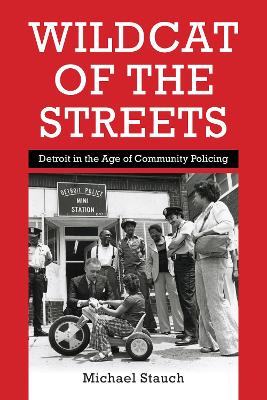
How Black youth in Detroit made claims for political equality over and against the new order of community policing

The criminalization of Black youth was central to policing in urban America during the civil rights era and continued in Detroit even after the rise of Black political control in the 1970s. Wildcat of the Streets documents how the “community policing” approach of Mayor Coleman Young (1974–1993)—including neighborhood police stations, affirmative action hiring policies, and public participation in law enforcement initiatives—transformed Detroit, long considered the nation’s symbol of racial inequality and urban crisis, into a crucial site of experimentation in policing while continuing to subject many Black Detroiters to police brutality and repression.

In response, young people in the 1970s and 1980s drew on the city’s storied history of labor radicalism as well as contemporary shopfloor struggles to wage a “wildcat of the streets,” consisting of street disturbances, decentralized gang activity, and complex organizations of the informal economy. In this revelatory new history of the social life of cities, Michael Stauch mines a series of evocative interviews conducted with the participants to trace how Black youth made claims for political equality over and against the new order of community policing.

Centering the perspective of criminalized and crime-committing young people, Wildcat of the Streets is an original interpretation of police reform, the long struggle for Black liberation, and the politics of cities in the age of community policing.

Arvustused

"Stauch deftly plumbs the intricacy of the informal economy and its impact on society at large. Wildcat of the Streets is an engrossing study of a modern American city in the throes of conflict." (Herb Boyd, author of Black Detroit: A People's History of Self-Determination) "Academically rigorous and politically radical, Michael Stauch has crafted a nuanced history of the tragic failure of police reform in the United States and a spirited case for why the police must instead be abolished. Wildcat of the Streets is a must read for historians, activists, and anyone seeking to escape the downward spiral of capitalist society and build a better world." (Jarrod Shanahan, author of Captives: How Rikers Island Took New York City Hostage)

Muu info

Wildcat of the Streets reveals how the community policing approach of Mayor Coleman Young (19741993) transformed Detroit into a crucial site of experimentation in policing while continuing to subject many Black Detroiters, especially young people, to police brutality and repression.
Michael Stauch is Assistant Professor of History at the University of Toledo.