Muutke küpsiste eelistusi
  • Formaat - PDF+DRM
  • Hind: 59,79 €*
  • * hind on lõplik, st. muud allahindlused enam ei rakendu
  • Lisa ostukorvi
  • Lisa soovinimekirja
  • See e-raamat on mõeldud ainult isiklikuks kasutamiseks. E-raamatuid ei saa tagastada.
  • Raamatukogudele

DRM piirangud

  • Kopeerimine (copy/paste):

    ei ole lubatud

  • Printimine:

    ei ole lubatud

  • Kasutamine:

    Digitaalõiguste kaitse (DRM)
    Kirjastus on väljastanud selle e-raamatu krüpteeritud kujul, mis tähendab, et selle lugemiseks peate installeerima spetsiaalse tarkvara. Samuti peate looma endale  Adobe ID Rohkem infot siin. E-raamatut saab lugeda 1 kasutaja ning alla laadida kuni 6'de seadmesse (kõik autoriseeritud sama Adobe ID-ga).

    Vajalik tarkvara
    Mobiilsetes seadmetes (telefon või tahvelarvuti) lugemiseks peate installeerima selle tasuta rakenduse: PocketBook Reader (iOS / Android)

    PC või Mac seadmes lugemiseks peate installima Adobe Digital Editionsi (Seeon tasuta rakendus spetsiaalselt e-raamatute lugemiseks. Seda ei tohi segamini ajada Adober Reader'iga, mis tõenäoliselt on juba teie arvutisse installeeritud )

    Seda e-raamatut ei saa lugeda Amazon Kindle's. 

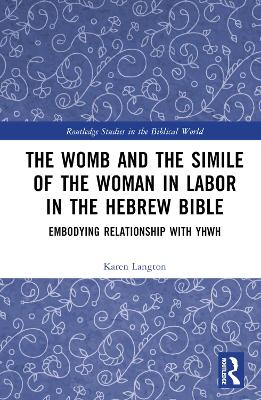
This book explores figurative images of the womb and the simile of a woman in labor from the Hebrew Bible, problematizing previous interpretations that present these as disparate images and showing how their interconnectivity embodies relationship with YHWH.


This book explores figurative images of the womb and the simile of a woman in labor from the Hebrew Bible, problematizing previous interpretations that present these as disparate images and showing how their interconnectivity embodies relationship with YHWH.

In the Hebrew Bible, images of the womb and the pregnant body in labor do not co-occur despite being grounded in an image of a whole pregnant female body; the pregnant body is instead fragmented into these two constituent parts, and scholars have continued to interpret these images separately with no discussion of their interconnectivity. In this book, Langton explores the relationship between these images, inviting readers into a wider conversation on how the pregnant body functions as a means to an end, a place to access and seek a relationship with YHWH. Readers are challenged and asked to rethink how these images have been interpreted within feminist scholarship, with womb imagery depicting YHWH’s care for creation or performing the acts of a midwife, and the pregnant body in labor as a depiction of crisis. Langton explores select texts depicting these images, focusing on the corporeal experience and discussing direct references and allusions to the physicality of a pregnant body within these texts. This approach uncovers ancient and current androcentric ideology which dictates that conception, gestation, and birth must be controlled not by the female body, but by YHWH.

The Womb and the Simile of the Woman in Labor in the Hebrew Bible is of interest to students and scholars working on the Hebrew Bible, gender in the Bible and the Near East more broadly, and feminist biblical criticism.

Arvustused

"In this erudite analysis, Langton turns tired scholarly assumptions on their head. She confronts us viscerally and compellingly with the pregnant, laboring, delivering body that has been so readily rendered mere metaphor or simple simile, requiring us to think again. Familiar texts are rendered unfamiliar as she compels readers to consider afresh how and why womb, labour, birthing, and issues of control are key to exploring the YHWH/human relationship." - Deryn Guest, Honorary Lecturer, University of Birmingham.

"Karen Langtons book The Womb and the Simile of The Woman in Labor in the Hebrew Bible: Embodying Relationship with YHWH focuses our readerly attention on the pregnant body and the pregnant woman as presented in its full narrative context and the larger semantic field of figurative language for the womb in the Hebrew Bible. By using Benjamin Harshavs theory of Integrational Semantics, Langton maps a greater range of meanings for womb and labor imagery in the Bible. Whether it is Jobs struggle with YHWH, the psalmists entreaties to YHWH, a warriors experience of violence on the battlefield, or Isaiahs imagining the power of YHWH as a warrior, Langton uncovers the dynamic power and creative force of the language of pregnancy and birth. Langtons book makes an important contribution to the study of womb imagery in the Bible by showing how ancient biblical writers turned to the image of the pregnant and laboring body to express the multifaceted, sometimes controlled and sometimes uncontrolled, human relationship to the divine." - Cynthia R. Chapman, The Adelia A.F. Johnston and Harry Thomas Frank Professor of Religion, Oberlin College.

"In this book Langton demonstrates how the image of the womb as communicated through visceral imagery, key metaphors, and similes in the Biblical ancient Levantine material is often highly complex and inconsistent. Langtons key contribution is to emphasise the inseparability of the womb from the woman's body more globally." - Katherine Southwood, Associate Professor in Old Testament, Oxford University.

Introduction; 1: Methodology; Section I: The Womb; 2: The Womb in Job;
3: Psalm 139; 4: Brought Forth from the Womb in Psalms 22 and 71; Section II:
A Woman in Labor; 5: Non-Biblical ANE Texts A Woman in Labor; 6: Isaiah
Like a Woman in Labor; 7: YHWH Like a Woman in Labor; Conclusion: The
Interconnectivity.
Karen Langton is a Visiting Assistant Professor of Religious Studies at Fairfield University, Fairfield, Connecticut. Her publications include YHWH as a Woman in Labour: The Controlled Pregnant Female Body in Labour and Bringing to Birth: Relationship with YHWH. Her current research engages material religion explored through textiles.