Muutke küpsiste eelistusi

E-raamat: Women Who Clothed the Stuart Queens: Gender and Work in the Royal Wardrobe and the Fashion Marketplace

(Australian Catholic University, Australia)
  • Formaat: 360 pages
  • Ilmumisaeg: 25-Jun-2026
  • Kirjastus: Bloomsbury Visual Arts
  • Keel: eng
  • ISBN-13: 9781350407367
  • Formaat - EPUB+DRM
  • Hind: 33,92 €*
  • * hind on lõplik, st. muud allahindlused enam ei rakendu
  • See e-raamat ei ole veel ilmunud. Saate seda tellida alles alates: 25-Jun-2026
  • Lisa soovinimekirja
  • See e-raamat on mõeldud ainult isiklikuks kasutamiseks. E-raamatuid ei saa tagastada.

DRM piirangud

  • Kopeerimine (copy/paste):

    ei ole lubatud

  • Printimine:

    ei ole lubatud

  • Kasutamine:

    Digitaalõiguste kaitse (DRM)
    Kirjastus on väljastanud selle e-raamatu krüpteeritud kujul, mis tähendab, et selle lugemiseks peate installeerima spetsiaalse tarkvara. Samuti peate looma endale  Adobe ID Rohkem infot siin. E-raamatut saab lugeda 1 kasutaja ning alla laadida kuni 6'de seadmesse (kõik autoriseeritud sama Adobe ID-ga).

    Vajalik tarkvara
    Mobiilsetes seadmetes (telefon või tahvelarvuti) lugemiseks peate installeerima selle tasuta rakenduse: PocketBook Reader (iOS / Android)

    PC või Mac seadmes lugemiseks peate installima Adobe Digital Editionsi (Seeon tasuta rakendus spetsiaalselt e-raamatute lugemiseks. Seda ei tohi segamini ajada Adober Reader'iga, mis tõenäoliselt on juba teie arvutisse installeeritud )

    Seda e-raamatut ei saa lugeda Amazon Kindle's. 
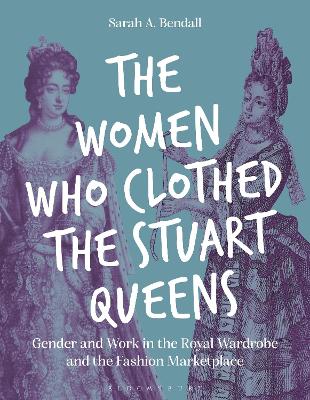
This study explores for the first time the changing professions and roles of the women who worked to clothe six Stuart queens between 1603 1714: Anna of Denmark, Henrietta Maria, Catherine of Braganza, Mary of Modena, Queen Mary II and Queen Anne.Beautifully illustrated in full colour throughout, and using a wide range of written, visual and material sources, this book explores how changing patterns of work and consumption saw women become key producers, retailers and consumers of fashion during the 17th century, and illuminates the strong connections between the royal courts and London's fashion marketplace.From royal wardrobes, workrooms and laundries to workshops and retail premises in London's bustling streets, Sarah A. Bendall highlights the integral role that women of multiple backgrounds played in the creation and maintenance of elite dress. The royal accounts show that this work was facilitated by migration, global trade, familial networks and changing guild structures, and that the patronage of queens and elite women was integral to supporting and promoting women's rise in the fashion trades as celebrated silkwomen, tirewoman, milliners and mantua makers.The Women Who Clothed the Stuart Queens challenges understandings of women's work in the court, the household and the fashion marketplace, and shows how clothing played a key role in women's economic participation in 17th and 18th-century England more broadly. It offers fascinating insights for all those interested in the history of women and gender, fashion, material culture and consumption, and, of course, to all those interested in Stuart history.