Muutke küpsiste eelistusi

E-raamat: Workers Without Companies: Towards a New Way of Working

(University of Lille, France), (Complutense University of Madrid, Spain)
  • Formaat - EPUB+DRM
  • Hind: 54,59 €*
  • * hind on lõplik, st. muud allahindlused enam ei rakendu
  • Lisa ostukorvi
  • Lisa soovinimekirja
  • See e-raamat on mõeldud ainult isiklikuks kasutamiseks. E-raamatuid ei saa tagastada.

DRM piirangud

  • Kopeerimine (copy/paste):

    ei ole lubatud

  • Printimine:

    ei ole lubatud

  • Kasutamine:

    Digitaalõiguste kaitse (DRM)
    Kirjastus on väljastanud selle e-raamatu krüpteeritud kujul, mis tähendab, et selle lugemiseks peate installeerima spetsiaalse tarkvara. Samuti peate looma endale  Adobe ID Rohkem infot siin. E-raamatut saab lugeda 1 kasutaja ning alla laadida kuni 6'de seadmesse (kõik autoriseeritud sama Adobe ID-ga).

    Vajalik tarkvara
    Mobiilsetes seadmetes (telefon või tahvelarvuti) lugemiseks peate installeerima selle tasuta rakenduse: PocketBook Reader (iOS / Android)

    PC või Mac seadmes lugemiseks peate installima Adobe Digital Editionsi (Seeon tasuta rakendus spetsiaalselt e-raamatute lugemiseks. Seda ei tohi segamini ajada Adober Reader'iga, mis tõenäoliselt on juba teie arvutisse installeeritud )

    Seda e-raamatut ei saa lugeda Amazon Kindle's. 
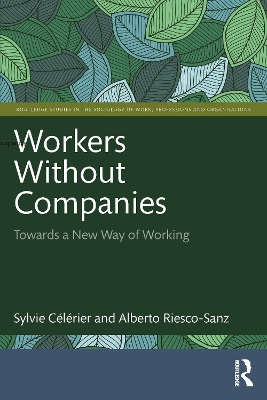
Workers Without Companies contributes to the debate on the future of work in a productive landscape that is now global, while ways of working diversify at an unprecedented pace.


Workers Without Companies contributes to the debate on the future of work in a productive landscape that is now global, while ways of working diversify at an unprecedented pace.

Faced with several decades of mass unemployment in Europe and the activation of self-employment—especially through intermediary platforms—this book examines the transformation of the wage system not only in traditional salaried sectors but also in self-employment, agriculture, and the field of science and knowledge production. The authors identify a common movement: the growing detachment between companies and their employees. This deep-rooted and enduring trend is reshaping the wage relationship at the core of modern societies, continuously altering and destabilising workers’ lives. Recognising this shift is essential to interrogating what work—and our lives—will become in the years ahead. The book, therefore, concludes with a proposed research agenda structured around five key axes.

As such, Workers Without Companies will appeal to sociologists with interests in work and industry, employment and unemployment, organisation studies and labour relations.

Introduction Part I: Shaping the wage system in Europe
1. Ambiguities in
the European model Compulsory insurance under state control The legacy of an
industrial and political history The formation of the chief players in the
labour exchange Work in Europe: convergences and national differences
2.
Transformations in the wage system The Golden Age of capitalism? A new
mutation of capitalism A profound remodelling of the wage system
3. Silent
mutations in labour exchanges Value sharing and widening inequalities Working
remotely and intermittently A more complex and interconnected labour
mobilisation Part II: Variations in the wage system
4. The incomplete wage
system of self-employed workers The dismantling of the wage system The
expansion of the wage system A new type of self-employed worker Conclusions
5. The agricultural wage system The same players as in the wage system
Constantly accompanied production Regulations and tension among the
agricultural wage system
6. Mobilisation and organisation of scientific work
under state protection What can the structure of Spains science system teach
us about the dynamics of the wage system? The creation of a science and
innovation system in Spain Mobilisation and organisation of scientific work
under state protection Challenges facing the current system of scientific
labour mobilisation in Spain In conclusion: some proposals for future
research on work The primordial alienation of workers from their work A
transformed system of valorisation States under pressure A new way of
organising production Professional trajectories outside the company sphere
Sylvie Célérier is an Emeritus Professor of Sociology at Lille University, and a member of the Lille Centre for Sociological and Economic Research and Studies (CLERSE) CNRS UMR 8019.

Alberto Riesco-Sanz is an Associate Professor of Sociology at the Complutense University of Madrid and an Associate Researcher at the Complutense Institute for the Study of Contemporary Social Transformations (TRANSOC).