Muutke küpsiste eelistusi

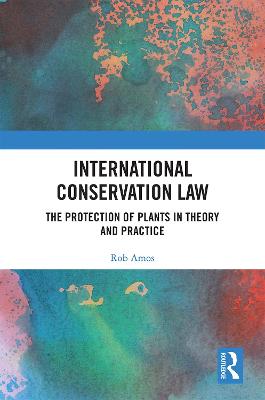
E-raamat: International Conservation Law: The Protection of Plants in Theory and Practice

  • Formaat: EPUB+DRM
  • Ilmumisaeg: 22-Apr-2020
  • Kirjastus: Routledge
  • Keel: eng
  • ISBN-13: 9781000069310
  • Formaat - EPUB+DRM
  • Hind: 61,09 €*
  • * hind on lõplik, st. muud allahindlused enam ei rakendu
  • Lisa ostukorvi
  • Lisa soovinimekirja
  • See e-raamat on mõeldud ainult isiklikuks kasutamiseks. E-raamatuid ei saa tagastada.
  • Formaat: EPUB+DRM
  • Ilmumisaeg: 22-Apr-2020
  • Kirjastus: Routledge
  • Keel: eng
  • ISBN-13: 9781000069310

DRM piirangud

  • Kopeerimine (copy/paste):

    ei ole lubatud

  • Printimine:

    ei ole lubatud

  • Kasutamine:

    Digitaalõiguste kaitse (DRM)
    Kirjastus on väljastanud selle e-raamatu krüpteeritud kujul, mis tähendab, et selle lugemiseks peate installeerima spetsiaalse tarkvara. Samuti peate looma endale  Adobe ID Rohkem infot siin. E-raamatut saab lugeda 1 kasutaja ning alla laadida kuni 6'de seadmesse (kõik autoriseeritud sama Adobe ID-ga).

    Vajalik tarkvara
    Mobiilsetes seadmetes (telefon või tahvelarvuti) lugemiseks peate installeerima selle tasuta rakenduse: PocketBook Reader (iOS / Android)

    PC või Mac seadmes lugemiseks peate installima Adobe Digital Editionsi (Seeon tasuta rakendus spetsiaalselt e-raamatute lugemiseks. Seda ei tohi segamini ajada Adober Reader'iga, mis tõenäoliselt on juba teie arvutisse installeeritud )

    Seda e-raamatut ei saa lugeda Amazon Kindle's. 

Through a combination of theoretical and empirical approaches, this book explores the role of international environmental law in protecting and conserving plants.

Underpinning every ecosystem on the planet, plants provide the most basic requirements: food, shelter and clear air. Yet the worlds plants are in trouble; a fifth of all plant species are at risk of extinction, with thousands more in perpetual decline. In a unique study of international environmental law, this book provides a comprehensive overview of the challenges and restrictions associated with protecting and conserving plants. Through analysing the relationship between conservation law and conservation practice, the book debates whether the two work symbiotically, or if the law poses more of a hindrance than a help. Further discussion of the laws response to some of the major threats facing plants, notably climate change, international trade and invasive species, grounds the book in conservation literature. Using case studies on key plant biomes to highlight the strengths and weaknesses of the law in practice, the book also includes previously unpublished results of an original empirical study into the correlations between the IUCN Red List and lists of endangered/protected species in international instruments. To conclude, the book looks to the future, considering broader reforms to the law to support the work of conservation practitioners and reshape humanitys relationships with nature.

The book will be of interest to scholars and students working in the field of international environmental law and those interested more broadly in conservation and ecological governance frameworks.
TABLE OF CONTENTS

Foreword

Preface and Acknowledgements

Table of International Agreements

PART 1: PRELIMINARY ISSUES

Introduction: The Legal and Ecological Context of Plant Conservation

Why a Book About Plants?

A Brief Introduction to Plant Ecology

Core Themes and Structure

Chapter I: The Value of Plants

Nature in International Environmental Law

Why Is Understanding Value Important?

Interpretations of Value

Anthropocentricity in International Environmental Law

Conclusions

PART 2: THE INTERNATIONAL LEGAL FRAMEWORK FOR THE PROTECTION OF PLANTS

Chapter II: Global Approaches to the Protection of Plants

Tensions in International Conservation Law

The 1992 Convention on Biological Diversity

Forest Biodiversity

Conclusions

Chapter III: Regional Approaches to the Protection of Plants

Regional Conservation Instruments and Effectiveness

The Geographic Scope of Regional Conservation Agreements

The Construction of Regional Conservation Agreements

The Relationship between Regional Conservation Agreements and Conservation
Practice Designating Protected Areas

The Relationship between Regional Conservation Agreements and Conservation
Practice Listing Species

Conclusions

Appendix 1: Ratification Status of the Regional Conservation Agreements

Appendix 2: Methodological Notes for the Empirical Study on the Conservation
and Population Status of European Flora

Chapter IV: Polar Plants

Plants at the Poles

Plants in the Antarctic Treaty System

The Conservation of Arctic Flora

Conclusions

Chapter V: The Protection of Marine and Freshwater Plants

Plants in Aquatic Ecosystems

Global Approaches to Marine Conservation

Regional Approaches to Marine Conservation

The Conservation of Flora in Wetlands

Freshwater Flora

Conclusions

PART 3: LEGAL RESPONSES TO THE DRIVERS OF PLANT DIVERSITY LOSS

Chapter VI: Climate Change

Plants and Climate Change

Conservation and Climate Change

The Conservation of Mountain Plants

The REDD+ Programme

The Clean Development Mechanism

Conclusions

Chapter VII: International Trade

Plants in International Trade

The Environment and Trade

Protecting Plants through the Environmental Exceptions in the GATT

The 1973 Convention on International Trade in Endangered Species

Conclusions

Chapter VIII: Invasive/Alien Species, Disease and Ecosystem Restoration

The Threat of Invasive/Alien Species and Disease

International Regulation of Invasive/Alien Species

Controlling the Spread of Disease

Rewilding and Ecosystem Restoration

Conclusions

PART 4: WAYS FORWARD FOR THE PROTECTION OF PLANTS

Chapter IX: Conservation Practice and International Law

Resilience Thinking in Conservation

Non-State Actors in Conservation

Key Components of Successful Conservation

Making International Law Work for Conservation The Nagoya Protocol on
Access and Benefit-Sharing

Conclusions

Chapter X: Ecological and Ecocentric Models for Reform

The False Promise of Neoliberalism and Sustainable Development

Defining Ecological Sustainability

Templates for an Ecocentric Society

Recognising the Legal Rights of Plants in International Law

Conclusions

Conclusion: Humanitys Failure to Protect Plants

Bibliography
Rob Amos is the Academic Lead on the environmental strand of UCLs Global Citizenship Programme.