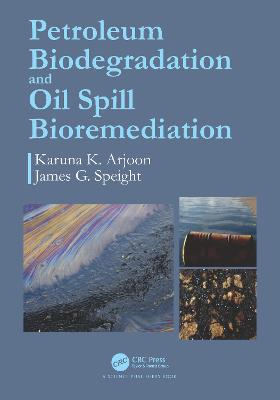
The prime focus of the book is to determine the mechanism, extent, and efficiency of biodegradation processes, as it is necessary to know the composition of the original crude oil or crude oil product. The technology of bioremediation and the concerns of whether or not bioremediation technologies can accelerate this natural process enough to be considered practical, and, if so, whether they might find a niche as replacements for, or adjuncts to, other crude oil-spill response technologies. This book also introduces the reader to the science of the composition of crude oil and crude oil products is at the core of understanding the chemistry of biodegradation and bioremediation processes.
The prime focus of the book is to determine the mechanism, extent, and efficiency of biodegradation processes, as it is necessary to know the composition of the original crude oil or crude oil product.
1. Crude Oil Composition and Properties
2. Crude Oil Products
3. Test Methods for Crude Oil and Crude Oil Products
4. The Nature of Oil Spills
5. Overview of Oil Spill Clean Up Method
6. Bioremediation and Biodegradation
7. Site Evaluation and the Impact of an Oil Spill
8. Biodegradation of the Constituents of Crude Oil and Crude Oil Products
9. Methods Used to Determine the Progress of Bioremediation
10. Recommendations for Oil Spill Prevention and Control
Karuna K. Arjoon possesses a Master of Philosophy degree from the University of Trinidad and Tobago where she served in various academic positions.
She is also the co-author of the book Bioremediation of Petroleum and Petroleum Products and the article The Effects of the Application of Random Sampling on the Analysis of the Biodegradation of Oil Spills in Soil (a Petroleum and Chemical Industry International Journal publication). Karuna has also provided consultant services for several international companies, has certifications in various areas of safety, and is presently part of the education system in the field of chemistry.
Dr. James G. Speight has doctorate degrees in Chemistry, Geological Sciences, and Petroleum Engineering. He is the author of more than 80 books in crude oil science, fossil fuel science, petroleum engineering, environmental sciences, and ethics.
He has more than fifty years of experience in areas associated with (i) the properties, recovery, and refining of reservoir fluids, conventional crude oil, heavy crude oil, extra heavy oil, tar sand bitumen, and oil shale, (ii) the properties and refining of natural gas, gaseous fuels, (iii) the production and properties of chemicals from crude oil, coal, and other sources, (iv) the properties and refining of biomass, biofuels, biogas, and the generation of bioenergy, and (v) the environmental and toxicological effects of energy production and fuels use. His work has also focused on safety issues, environmental effects, environmental remediation, and safety issues as well as reactors associated with the production and use of fuels and biofuels.

 Lisainfo e-raamatute kohta