Muutke küpsiste eelistusi

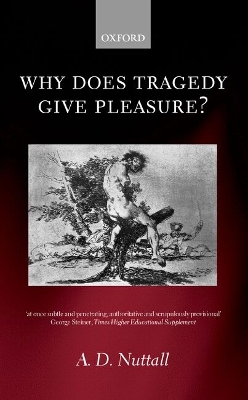
E-raamat: Why Does Tragedy Give Pleasure?

(Professor of English and Fellow, New College, Oxford)
  • Formaat: EPUB+DRM
  • Ilmumisaeg: 29-Mar-2001
  • Kirjastus: Oxford University Press
  • Keel: eng
  • ISBN-13: 9780191037245
  • Formaat - EPUB+DRM
  • Hind: 40,94 €*
  • * hind on lõplik, st. muud allahindlused enam ei rakendu
  • Lisa ostukorvi
  • Lisa soovinimekirja
  • See e-raamat on mõeldud ainult isiklikuks kasutamiseks. E-raamatuid ei saa tagastada.
  • Raamatukogudele
    • Oxford Scholarship Online e-raamatud
  • Formaat: EPUB+DRM
  • Ilmumisaeg: 29-Mar-2001
  • Kirjastus: Oxford University Press
  • Keel: eng
  • ISBN-13: 9780191037245

DRM piirangud

  • Kopeerimine (copy/paste):

    ei ole lubatud

  • Printimine:

    ei ole lubatud

  • Kasutamine:

    Digitaalõiguste kaitse (DRM)
    Kirjastus on väljastanud selle e-raamatu krüpteeritud kujul, mis tähendab, et selle lugemiseks peate installeerima spetsiaalse tarkvara. Samuti peate looma endale  Adobe ID Rohkem infot siin. E-raamatut saab lugeda 1 kasutaja ning alla laadida kuni 6'de seadmesse (kõik autoriseeritud sama Adobe ID-ga).

    Vajalik tarkvara
    Mobiilsetes seadmetes (telefon või tahvelarvuti) lugemiseks peate installeerima selle tasuta rakenduse: PocketBook Reader (iOS / Android)

    PC või Mac seadmes lugemiseks peate installima Adobe Digital Editionsi (Seeon tasuta rakendus spetsiaalselt e-raamatute lugemiseks. Seda ei tohi segamini ajada Adober Reader'iga, mis tõenäoliselt on juba teie arvutisse installeeritud )

    Seda e-raamatut ei saa lugeda Amazon Kindle's. 

Why does tragedy give pleasure? Why do people who are neither wicked nor depraved enjoy watching plays about suffering or death? Is it because we see horrific matter controlled by majestic art? Or because tragedy actually reaches out to the dark side of human nature? A. D. Nuttall's wide-ranging, lively and engaging book offers a new answer to this perennial question.

The 'classical' answer to the question is rooted in Aristotle and rests on the unreality of the tragic presentation: no one really dies; we are free to enjoy watching potentially horrible events controlled and disposed in majestic sequence by art. In the nineteenth century, Nietzsche dared to suggest that Greek tragedy is involved with darkness and unreason and Freud asserted that we are all, at the unconscious level, quite wicked enough to rejoice in death. But the problem persists: how can the conscious mind assent to such enjoyment? Strenuous bodily exercise is pleasurable. Could we, when we respond to a tragedy, be exercising our emotions, preparing for real grief and fear? King Lear actually destroys an expected majestic sequence. Might the pleasure of tragedy have more to do with possible truth than with 'splendid evasion'?

Arvustused

shrewd and learned book. * London Review of Book * Review from previous edition shrewd and learned book * London Review of Book *


1. Aristotle and After
2. Enter Freud
3. The Game of Death
4. King Lear
Index
A. D. Nuttall is Professor of English and Fellow of New College, Oxford